

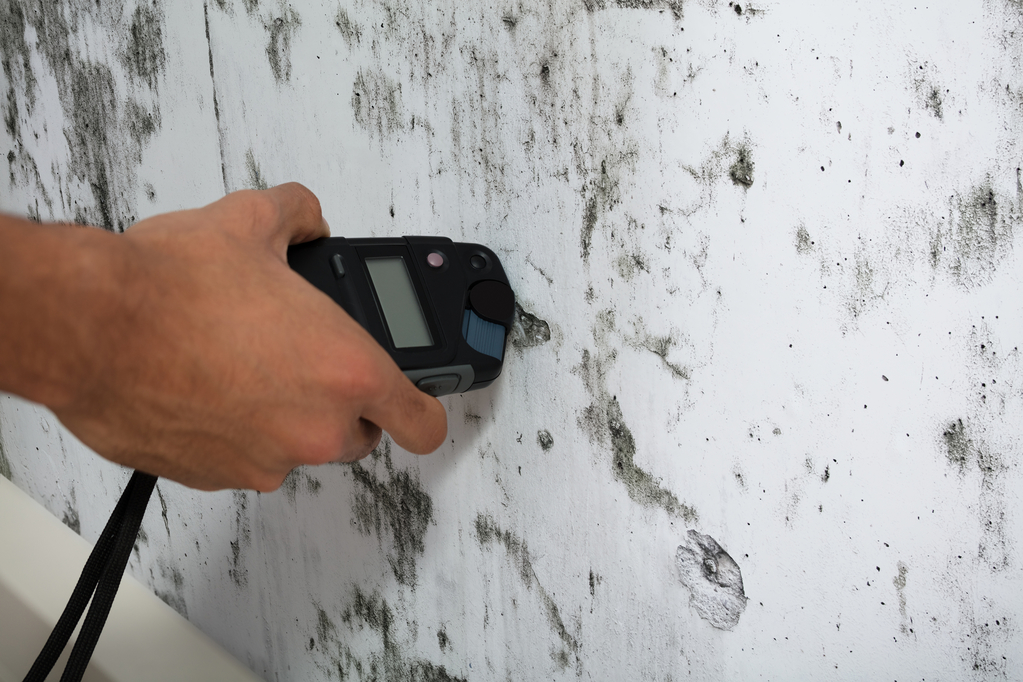
When dealing with mold-related issues in your home or property, understanding the distinction between mold mitigation and mold remediation is essential. While these terms are often used interchangeably, they represent different approaches to addressing mold problems. Knowing which process is right for your situation can help protect both your health and your property.
What Is Mold Mitigation?
Mold mitigation focuses on stopping the spread of mold. This process is typically employed when a mold problem has been identified but not yet fully analyzed or addressed. The primary goal of mitigation is containment, ensuring that the mold does not spread further into unaffected areas of the home or building.
- Identifying affected areas: Locating zones where mold has started to grow.
- Isolating contaminated areas: Using barriers like plastic sheeting or negative air pressure systems to contain the spread of spores.
- Addressing moisture sources: Fixing leaks or eliminating excess humidity that allows mold growth to persist.
- Surface cleaning and removal: Removing visible traces of mold from non-porous surfaces temporarily.
While effective at halting contamination, mitigation does not eliminate all traces of existing mold—it’s more of a short-term measure to manage an immediate threat.
What Is Mold Remediation?
Mold remediation, on the other hand, goes beyond containment by addressing the root cause of the problem and restoring affected areas back to a clean, safe condition. This comprehensive process involves identifying all sources of growth, removing contaminated materials if necessary, and thoroughly cleaning remaining structures.
- Assessment & Testing:Conducting thorough inspections using specialized tools like moisture meters or infrared cameras.
- Containment:Similar methods as in mitigation are used here to prevent cross-contamination during cleanup.
- Mold Removal:Removing porous materials such as drywall or carpeting that cannot be cleaned effectively.
- Air Filtration:Using HEPA filters to trap airborne spores during remediation work.
- Disinfection & Cleaning:Treating surfaces with antifungal products that eliminate remaining spores.
- Restoration:Rebuilding or replacing damaged sections like walls or flooring after cleanup is complete.
Remediation provides a long-term solution by addressing both visible damage and underlying causes such as poor ventilation or persistent leaks.
Key Differences Between Mold Mitigation and Remediation
| Aspect | Mold Mitigation | Mold Remediation |
| Primary Focus | Containment | Complete removal and restoration |
| Goal | Stop spreading | Eliminate existing growth entirely |
| Duration | Short-term solution | Long-term resolution |
| Scope of Work | Limited cleaning | Comprehensive treatment |
Why Does Understanding These Terms Matter?
- For minor issues detected early (e. g. , surface-level growth), immediate mitigation may suffice temporarily until further steps are taken.
- For more extensive infestations affecting structural components or indoor air quality significantly, professional remediation services are essential for safety.
Both processes serve crucial roles in combating household mold issues effectively—but only through proper assessment can one determine which approach is most appropriate for their needs over time.
By recognizing these distinctions clearly upfront homeowners stand better prepared safeguarding long-term health-value respective investments alike
Understanding Black Mold in Deltona FL: Causes, Dangers, and Effective Solutions
It plays an essential role in nature by breaking down organic material; however, when it invades indoor spaces, it poses significant risks to both health and structural integrity. Understanding mold’s causes, dangers, and how to address it can help protect your home and well-being.
Causes of Mold Growth
Mold requires specific conditions to grow indoors.
- Moisture:Excessive humidity, leaks in plumbing or roofing, and condensation create the ideal environment for mold growth.
- Poor Ventilation:Lack of airflow traps moisture indoors, especially in spaces such as basements, attics, and bathrooms.
- Organic Material:Mold feeds on organic substances like wood, drywall, fabrics, insulation materials, and carpeting.
- Flooding or Water Damage:Prolonged exposure to water creates the perfect breeding ground for mold colonies to flourish.
Addressing these root causes is key to preventing mold from spreading indoors.
Health Dangers Associated with Mold
Exposure to mold can lead to a variety of health issues depending on the extent of contamination and individual sensitivity levels.
- Respiratory problems such as coughing or wheezing
- Allergic reactions like sneezing or runny nose
- Skin irritations or rashes
- Eye irritation or redness
- Aggravation of asthma symptoms for those with preexisting conditions
In severe cases where toxic molds (e. g.Stachybotrys chartarum
Effective Ways to Address Mold
If you suspect that mold exists in your home or property, taking swift action is critical.
- Inspect areas prone to leaks or water damage such as roofs, windowsills, pipes under sinks, and around appliances like dishwashers.
- Repair any visible water intrusion points immediately.
- Use dehumidifiers in damp areas like basements.
- Maintain indoor relative humidity levels below 50%. A hygrometer can help monitor this.
- For small patches (less than 10 square feet), clean using warm water mixed with detergent.
- Avoid using bleach unless directed by a professional as improper use can worsen air quality concerns.
- Wear protective gear such as gloves, goggles, and an N95 mask.
- Seal off unaffected areas using plastic sheeting during cleanup efforts.
- Seek Professional Help for Larger Issues
If mold covers a large area (more than 10 square feet) or you suspect harmful types like black mold are present: | Reasons for Hiring Professionals | Services Provided | |————————————–|———————————-| | Extensive contamination | Containment | | Recurring moisture problems | Thorough removal & disinfection | | Potential health risks | Air quality testing | | Structural damage | Repairs & restoration | - Regularly inspect your property for leaks or signs of dampness.
- Increase ventilation by opening windows and using exhaust fans where necessary.
- Install waterproofing solutions if needed in basements or other vulnerable areas.
By addressing the underlying sources of moisture alongside cleaning existing growth effectively—whether through DIY methods for minor occurrences or professional remediation services—you can restore both safety and comfort within your home environment while reducing potential risks posed by recurring contamination issues over time.
Comprehensive Mold Inspection Deltona FL: Causes, Dangers, and Effective Solutions
Mold is a common household problem that can pose serious risks to your property and health if not managed properly. To address mold effectively, it’s important to understand its causes, the potential dangers it presents, and the steps you can take to mitigate or remove it.
While not all molds are harmful, prolonged exposure to certain types can have severe consequences for your health and your home.
Causes of Mold Growth
- Excess Humidity: High levels of indoor humidity (above 60%) create an ideal environment for mold growth.
- Water Leaks: Leaking pipes, roofs, or appliances can lead to moisture accumulation.
- Condensation: Temperature differences between indoor air and surfaces like windows can result in condensation that supports microbial growth.
Dangers of Mold Exposure
Mold poses risks both to human health and structural integrity.
| Health Risks | Property Risks |
| Allergic reactions | Staining on walls, ceilings, carpets |
| Respiratory problems | Damage to drywall and wooden structures |
| Asthma flare-ups | Weakened foundations |
| Skin irritation | Expensive repair costs |
People with pre-existing respiratory conditions like asthma or a weakened immune system may experience more severe effects from mold exposure.
How to Address Mold Effectively
- Examine areas prone to dampness such as basements, bathrooms, kitchens, and attics.
- Use dehumidifiers where humidity levels remain high.
- For minor patches (less than 10 square feet), use soap or a vinegar-water solution with gloves worn for protection.
- Avoid mixing bleach with ammonia-based cleaners as this produces dangerous fumes.
- Porous materials such as drywall or carpet heavily infested with mold should be removed and replaced.
- For extensive infestations (more than 10 square feet) or toxic molds like black mold (Stachybotrys), hire certified professionals who use advanced equipment for remediation.
Preventive Measures
Proactively preventing future outbreaks is essential for maintaining safety: – Regularly inspect areas vulnerable to water damage. – Install proper insulation around windows and pipes prone to condensation formation. – Maintain HVAC systems by cleaning filters routinely.
By identifying the sources of moisture early on and implementing effective control measures alongside professional intervention when needed, you can protect both your health as well as preserve the value of your property over time.

Understanding Mold Testing Deltona FL: Mitigation vs.
When dealing with mold issues in your home or property, two terms often arise: mold mitigation and mold remediation. While these terms are sometimes used interchangeably, they refer to distinct processes with unique goals. Understanding the differences between the two can help you determine which approach is most appropriate for your situation. Below, we break down the key aspects of each process and how they relate to one another.
Mold mitigation focuses on preventing mold from spreading further throughout a property. It aims to control and contain the existing mold problem rather than eradicate it entirely. In many cases, mitigation is the first step taken when a mold issue is identified.
- Containment:Setting up barriers, such as plastic sheeting or negative air pressure systems, to isolate affected areas.
- Moisture Control:Addressing sources of excess moisture (e. g. , leaks or high humidity), as damp environments promote mold growth.
- Air Filtration:Using HEPA filters to capture airborne mold spores and prevent them from contaminating other areas.
- Temporary Solutions:Implementing short-term strategies to limit damage until a more comprehensive treatment can be completed.
Mitigation is particularly useful when immediate action is necessary to stop the problem from worsening but does not completely eliminate mold from the property.
Mold remediation, on the other hand, encompasses a broader scope of actions aimed at permanently removing mold growth and restoring affected areas to safe conditions. This process goes beyond containment, focusing on both removal and prevention of future occurrences.
- Assessment:Conducting an in-depth inspection to identify where mold has spread and evaluating the severity of contamination.
- Removal:Physically removing damaged materials (e. g. , drywall or flooring) that are infested with mold beyond repair.
- Cleaning:Deep-cleaning surfaces using antimicrobial treatments or specialized cleaning agents designed for safe mold removal.
- Repair & Restoration:Replacing damaged structural elements or materials to return spaces to their original condition.
- Prevention Measures:Applying treatments that inhibit future growth and addressing underlying issues like water infiltration.
Remediation ensures not only that existing colonies are eliminated but also that steps are taken to reduce recurrence risks over time.
Comparing Mold Mitigation vs.
| Aspect | Mold Mitigation | Mold Remediation |
| Primary Goal | Control & contain | Eliminate & restore |
| Scope | Focused on immediate containment | Comprehensive treatment |
| Timeframe | Short-term solution | Long-term resolution |
| Includes Cleaning? | No | Yes |
| Prevents Future Growth? | Limited | Yes |
Which Approach Do You Need?
- If you have minor surface-level growth or need urgent action while awaiting professional services, mitigation may suffice temporarily.
- For significant infestations that have spread into structural components or pose health risks, opt for full-scale remediation by qualified professionals.
Ultimately, consulting an experienced specialist can help you evaluate your specific needs and ensure effective management of any indoor mold concerns.
Top Signs You Need Professional Mold Removal Deltona FL Services
Mold can be a significant issue for both your health and property. While some cases of mold can be handled with basic cleaning methods, others require professional remediation to ensure complete and safe removal. Knowing how to identify when professional intervention is necessary is crucial in safeguarding your home, workplace, and well-being.
Effective Solutions from a Mold Removal Company Deltona FL for Common Mold Issues
- Persistent Musty Odor
Even if mold isn’t visible, a persistent earthy or musty smell in your home can indicate hidden growth. This odor is often strongest in closed spaces such as basements, attics, or under flooring. - Visible Growth
Mold often appears as patches that are black, green, white, or gray. If you notice any discoloration on walls, ceilings, floors, or furniture that continues to spread despite cleaning attempts, it’s time to contact a professional. - Health Symptoms
Frequent allergic reactions such as sneezing, coughing, itchy skin, watery eyes, and respiratory issues in healthy individuals could signal mold exposure. Those with asthma or weakened immune systems may experience more severe symptoms. - Water Damage History
If your home has experienced flooding or water leaks recently or in the past—especially if repairs were delayed—there’s a higher likelihood of mold growth within walls or under floors. - Peeling Paint or Wallpaper
Bubbling paint and peeling wallpaper are often signs of excessive moisture buildup. This creates an ideal environment for mold to thrive.
Less Obvious Indicators Requiring Investigation
Sometimes signs of mold infestation can be subtle or hidden from plain view.
- Unexplained Humidity Levels: Excess humidity indoors (above 60%) creates conditions favorable for mold colonies to form.
- Warped Wood/Structural Damage: Warping floors or bowing wood beams may point to prolonged moisture exposure and subsequent fungal growth.
- HVAC Systems Spreading Mold Spores: If your heating and cooling systems seem to exacerbate odors or health problems when running, they could be distributing spores throughout your home.
When DIY Methods Fall Short
- Larger infestations (greater than 10 square feet) require expert evaluation.
- Mold found on porous materials like drywall may penetrate deeper than the surface layer and become difficult to remove entirely without specialized tools.
- DIY methods can unintentionally worsen the issue by releasing more spores into the air during improper cleaning efforts.
Why Professional Remediation Matters
Professionals use advanced techniques and equipment like HEPA filtration systems and air scrubbers to eliminate active colonies while preventing cross-contamination with other areas of your property. They also identify underlying causes—such as plumbing leaks—to prevent recurrence.
| Problem Area | Associated Risk | Recommended Action |
| Hidden wall cavities | Unnoticed structural damage | Professional inspection |
| HVAC contamination | Circulation of harmful airborne spores | HVAC cleaning/remediation |
| Black/green toxic molds | Severe health implications | Immediate expert intervention |
Taking early action at the first sign of potential issues not only protects your health but also helps preserve property value by preventing significant damage caused by unchecked mold proliferation.
Expert Guidance on Mold Removal: Steps to Restore a Safe and Healthy Living Environment
Mold removal is an essential process for maintaining a safe, healthy, and comfortable living environment. Mold thrives in moist environments and can lead to structural damage as well as health issues like respiratory problems, allergies, and even more severe conditions if left untreated. Proper mold removal involves a systematic approach to ensure the issue is fully addressed. Below are the expert-recommended steps for effective mold removal.
Step 1: Identify the Source of Moisture
Mold cannot grow without moisture. Before starting any remediation effort, you must locate and address the source of moisture.
- Leaking pipes or fixtures
- Roof leaks
- Flooding or water damage
- High indoor humidity levels
- Condensation on windows or walls
Solving moisture issues at their source helps prevent the recurrence of mold after removal.
Step 2: Assess the Scope of Mold Growth
Once you’ve identified the moisture source, assess how extensive the mold problem is. Look for visible signs such as black or green spots on walls, ceilings, or floors. Don’t forget less visible areas like behind furniture, inside ventilation ducts, or under carpets.
Key tools for mold assessment: | Tool | Use | |——————————|————————————————| | Moisture meter | Detects hidden moisture inside materials | | Thermal imaging camera | Identifies temperature variations caused by dampness | | Air quality testing kits | Measures mold spores in indoor air |
For significant infestations that span large areas (greater than 10 square feet), it’s advisable to involve professionals who have specialized equipment and expertise.
Step 3: Contain the Area
- Sealing doors and vents with plastic sheeting
- Using negative air pressure machines to filter air outwards
- Wearing protective clothing to avoid tracking spores elsewhere
This step is especially important if you’re tackling significant infestations in sensitive environments like homes with children or immune-compromised individuals.
Step 4: Remove Contaminated Materials
Porous materials like drywall, carpet, and insulation that have been heavily contaminated with mold often need complete removal since cleaning them thoroughly may be difficult.
Steps involved: 1. Carefully remove damaged materials and place them in sealed bags. 2. Dispose of these bags according to local hazardous waste guidelines. 3. Clean surrounding surfaces to eliminate any residual contamination.
For nonporous surfaces (e. g. , glass or metal), thorough scrubbing with detergent followed by disinfection is typically sufficient.
Step 5: Clean & Disinfect Affected Areas
After removing contaminated materials: – Vacuum all surfaces using a HEPA vacuum cleaner designed to capture fine particles. – Wash hard surfaces with soap and water. – Apply an EPA-approved fungicide or antimicrobial solution to kill remaining mold spores.
Allow time for treated areas to dry completely before proceeding further.
Step 6: Restore Damaged Areas
Once cleanup is complete: 1. Replace any removed materials (e. g. , drywall or insulation). 2. Repaint cleaned walls using mold-resistant paint for added protection. 3. Seal potential entry points for moisture such as cracks around windows or doors.
This step restores your property while reducing future risks of recurrence.
Prevention Tips Post-Mold Removal
To keep your space free from future outbreaks: – Keep indoor humidity between 30–50%using dehumidifiers if necessary. – Regularly inspect your home for leaks or water damage.
By following these steps with diligence—or hiring professional remediation experts when necessary—you can restore your home’s safety while protecting its occupants’ well-being long-term.
![Your Guide to a Mold Inspection [+ Cost]](https://www.envirovantage.com/wp-content/uploads/2020/06/rsz_istock-1094170860-e1617722131752.jpg)
The Importance of Professional Mold Remediation Services for Long-Term Solutions
Mold growth in homes and buildings is more than just a cosmetic issue—it poses serious risks to both health and property. While some homeowners may be tempted to tackle mold removal on their own, professional mold remediation services offer long-term solutions that go beyond surface cleaning. Here’s why hiring certified experts is crucial for addressing mold problems effectively and sustaining a safe living environment.
Why Professional Mold Remediation Matters
- Thorough Assessment of the Problem
Professionals begin by conducting a comprehensive inspection to determine the extent of mold growth and identify its root cause. Mold often hides in hard-to-reach places such as behind walls, under floors, or in HVAC systems, which can go unnoticed with DIY methods. - Expertise in Handling Different Types of Mold
Not all molds are the same—some types, like black mold (Stachybotrys chartarum), are particularly hazardous. Experts are trained to identify different species of mold and apply techniques tailored to address each type safely and effectively. - Minimizing Health Risks
DIY attempts at removing mold can release spores into the air, increasing exposure to allergens or mycotoxins that may exacerbate respiratory conditions or trigger allergic reactions. Professional remediation includes containment measures such as sealing off affected areas to prevent cross-contamination during cleanup.
Key Benefits of Professional Services
- Advanced Equipment and Techniques:
- Preventative Measures:
Beyond simply removing visible colonies, experts address underlying issues like water damage or ventilation problems that could lead to future outbreaks. - Compliance with Industry Standards:
Certified remediation specialists follow guidelines set by organizations such as the Environmental Protection Agency (EPA) or the Institute of Inspection Cleaning and Restoration Certification (IICRC). This ensures ethical practices and effective cleanup methods.
Comparing DIY vs.
| Aspect | DIY Approach | Professional Services |
| Cost | Initially low but may lead to recurring costs | Higher upfront but cost-effective long-term |
| Scope | Limited; often addresses only visible issues | Comprehensive; includes hidden areas |
| Risk of Cross-Contamination | High | Minimal due to proper containment protocols |
| Long-Term Effectiveness | Inconsistent | Reliable due to thorough remediation |
Long-Term Solutions for Health & Property Protection
One of the most significant advantages of professional services is their focus on long-term prevention strategies.
- Identifying existing moisture sources (e. g. , leaks or poor drainage).
- Improving ventilation systems in high-humidity areas such as bathrooms or basements.
- Educating homeowners on best practices for reducing indoor humidity levels (e. g. , using dehumidifiers).
By addressing these factors alongside removing existing mold colonies, professionals ensure that your home remains free from recurrent infestations.
Hiring professional mold remediation services is an investment in your health, safety, and property value. Their expertise provides peace of mind while ensuring your living space remains a healthy environment over time.
Addressing Mold Issues Quickly: Why Immediate Action is Crucial for Health and Safety
Mold growth inside a property is more than just an aesthetic issue—it can pose serious health risks and compromise the structural integrity of your home or workplace. Acting quickly to address mold issues is vital in preventing further contamination, reducing health hazards, and minimizing expensive repairs. Below, we outline why immediate action is essential and how it benefits both your health and property.
The Health Risks of Mold Exposure
Mold produces allergens, irritants, and potentially toxic substances called mycotoxins. Prolonged exposure to mold can lead to various health problems ranging from mild irritations to severe respiratory conditions.
- Respiratory Symptoms: Wheezing, coughing, nasal congestion, and throat irritation.
- Allergic Reactions: Sneezing, itchy eyes, skin rashes.
- Asthma Complications: Increased frequency or severity of asthma attacks.
- Immune System Impact: Prolonged exposure can weaken immune responses.
Individuals with existing respiratory conditions, allergies, or weakened immune systems are particularly vulnerable to mold’s effects. Children and the elderly are also at higher risk of developing adverse reactions.
How Mold Affects Your Property
When mold begins to grow indoors, it not only damages the materials on which it thrives but also spreads rapidly under the right conditions (moisture and warmth).
| Material/Area Affected | Common Impact of Mold Growth |
| Drywall | Discoloration, weakening structure |
| Carpets | Trapped spores leading to persistent odors |
| Wood | Rotting that compromises strength |
| HVAC Systems | Spread of spores through air circulation |
Ignoring a small patch of mold might result in widespread contamination over time. This can lead to costly repairs as materials may need replacing rather than simple cleaning.
Reasons Why Immediate Action Matters
- Prevents Further Spread
Mold spores are airborne and can travel quickly throughout a building. Promptly removing visible mold stops it from spreading into ducts, furniture, walls, or other areas. - Minimizes Health Complications
Early intervention reduces prolonged exposure to harmful mold particles—ensuring better indoor air quality for occupants. - Reduces Financial Costs
Catching a mold problem in its early stages is much less expensive than addressing extensive damage later on (e. g. , replacing drywall vs gutting entire sections). - Preserves Property Value
Properties with visible signs of mold often face reduced market value during sales or rentals due to potential buyers’ concerns about health risks or necessary remediation costs.
Steps to Take Immediately When Mold Is Detected
- Fix plumbing leaks
- Dehumidify damp areas
- Improve ventilation
- Isolate the Area:
Prevent further spread by sealing off affected zones using plastic sheeting or closing doors/windows nearby. - Contact Professionals: Engage certified mold remediation experts who utilize advanced tools like HEPA vacuums, antimicrobial treatments, and moisture meters for effective cleanup.
- Avoid DIY Solutions for Large Infestations: While minor surface growth might be addressed with household cleaners (e. g. , vinegar solutions), larger infestations require professional-grade methods for safety.
Acting swiftly when confronted with a potential mold issue protects both your health and investments in the long term—ensuring peace of mind that your environment remains safe and habitable.
- Mold Removal Deltona FL: Understanding the Difference Between Removal and Remediation
- Mold Remediation Deltona FL: Understanding the Key Differences to Protect Your Health and Property
- How a Mold Inspection Deltona FL Can Protect Your Health from Black Mold
- 6 Effective Mold Remediation Deltona FL: Identifying Harmful Mold in Your Home
- Comprehensive Guide to Mold Removal Deltona FL and Understanding Black Mold Dangers
- Mold Remediation Deltona FL: Understanding the Key Differences Between Removal and Remediation
- Understanding Mold Removal Deltona FL: Key Differences Between Removal and Remediation