

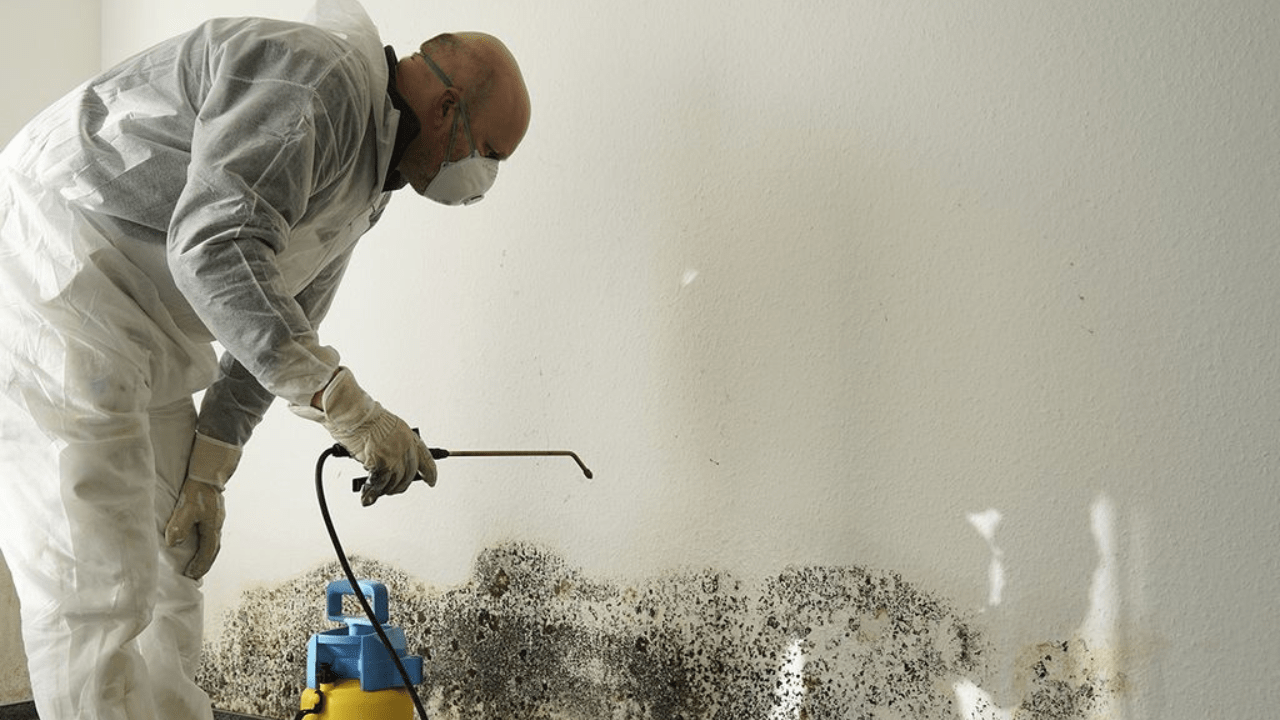
Mold is a common household issue that can pose significant health risks if left unchecked. While not all molds are harmful, certain types can cause allergies, respiratory problems, and other health complications. Understanding the types of mold that might be present in your home and identifying them correctly are the first steps toward effective remediation. Below is a guide to six common harmful molds that may be lurking in your space.
1. Stachybotrys Chartarum (Black Mold)
- Appearance: Black or dark green with a slimy texture.
- Where It Thrives: High-moisture areas like bathrooms, basements, or spaces with water damage.
- Respiratory problems
- Chronic coughing
- Fatigue
- A strong musty odor
- Visible black patches on drywall, wood, or ceilings
2. Aspergillus
- Appearance: Often appears as yellow-green or brown spots with white edges.
- Where It Thrives: Damp walls, insulation materials, or HVAC systems.
- Allergic reactions (sneezing, itchy eyes)
- Asthma attacks
- In extreme cases, lung infections (aspergillosis)
- Found in areas prone to dampness and poor ventilation
- May appear powdery upon close inspection
3. Cladosporium
- Appearance: Olive-green to black with a velvety texture.
- Where It Thrives: Carpets, curtains, wooden surfaces, and HVAC ducts.
- Skin irritation
- Respiratory discomfort
- Frequently found in fabric-based materials like upholstery
- Spreads quickly on damp surfaces
Table: Quick Reference Guide for Mold Identification
| Type of Mold | Common Appearance | Preferred Habitat | Health Concerns |
| Stachybotrys Chartarum | Black/dark green slime | Water-damaged areas | Respiratory issues |
| Aspergillus | Yellow-green/brown | Damp walls/HVAC systems | Allergies & potential lung infections |
| Cladosporium | Olive-green/black | Carpets & wooden surfaces | Skin irritation & respiratory issues |
4. Penicillium
- Appearance: Blue-green with a fuzzy texture.
- Where It Thrives: Water-damaged furniture and wallpaper; sometimes found on food.
- Health Risks:
- Sinus congestion
- Inflammation of the lungs
- Headaches
- How to Identify:
- Grows rapidly on damp organic materials such as paper or fabric
5. Alternaria
- Appearance: Dark green or brown hairy mold.
- Where It Thrives: Bathrooms, showers, under sinks—any areas exposed to consistent moisture.
- Health Risks:
- Triggers asthma symptoms
- Can exacerbate preexisting respiratory conditions
- Eye irritation
- How to Identify:
- Frequently found near leaky plumbing or windowsills
6. Fusarium
- Appearance: White-pinkish mold that may develop red hues over time.
- Where It Thrives: Cooler areas such as basements; also seen on water-damaged carpets or wallpaper glue.
- Health Risks
- Allergies (sneezing + watery eyes)
- Prolonged exposure—potential airborne infection risks esp-dangerous for immunocompromised
Steps for Safe and Effective Mold Removal Deltona FL Homeowners Should Know
Mold growth in your home can pose significant health risks, especially if the mold is of the toxic variety, such as black mold (Stachybotrys chartarum). Acting promptly when you suspect mold contamination is critical to maintaining a safe and healthy environment. Below are steps to identify potential mold problems and ensure its safe removal.
How to Identify Signs of Toxic Mold with a Mold Inspection Deltona FL
- Musty Odor: A persistent damp or earthy smell, particularly in basements or bathrooms.
- Visible Growth: Black, green, white, or yellow patches on walls, ceilings, floors, or furniture.
- Water Damage: Stains or discoloration caused by leaks or flooding often lead to mold growth.
- Health Symptoms: Unexplained respiratory problems such as coughing, sneezing, irritated eyes, headaches, or skin rashes may indicate exposure to toxic molds.
Essential Steps for Mold Testing Deltona FL Safely
- Check areas prone to moisture like bathrooms, kitchens, basements, attics, and around plumbing fixtures.
- Look behind furniture and under carpets for hidden mold growth.
- Home test kits can detect airborne spores but may lack accuracy compared to professional assessments.
- Certified mold inspectors use advanced tools such as infrared cameras and air-quality testing equipment to locate hidden molds effectively.
Essential Safety Tips from a Mold Removal Company in Deltona FL
- Gloves (non-porous materials like rubber).
- N95 respirator masks.
- Protective eyewear.
- Long sleeves and pants that can be washed immediately after use.
- Use plastic sheeting and duct tape to isolate contaminated spaces from clean areas during cleaning.
Step-by-Step Guide for Safe Mold Removal
- Mix one cup of bleach with one gallon of water.
- Alternatively, use an EPA-approved mold remover labeled safe for residential use.
- Use a stiff-bristle brush for scrubbing small areas where mold is visible.
- Wipe down surfaces with clean water after applying cleaning agents.
- Ensure proper ventilation with fans or dehumidifiers post-cleaning.
| Material | Recommendation |
| Drywall | Remove and replace affected sections. |
| Carpet | Discard severely contaminated pieces. |
| Upholstery | Consider professional cleaning services. |
When Should You Call Professionals?
- The affected area exceeds 10 square feet (as per EPA guidelines).
- Mold is located within HVAC systems.
- There’s extensive damage involving porous materials like structural wood beams or insulation.
- You’re dealing with black mold (toxic) without proper protective equipment.
Preventing Future Growth Post-Cleaning
- Address sources of moisture by repairing leaks promptly.
- Improve ventilation in high-humidity areas using exhaust fans or dehumidifiers.
- Regularly inspect vulnerable zones for early signs of recurrence.
By following these steps methodically while prioritizing safety protocols throughout the process, you can minimize health risks posed by toxic molds effectively and restore peace of mind within your living space.
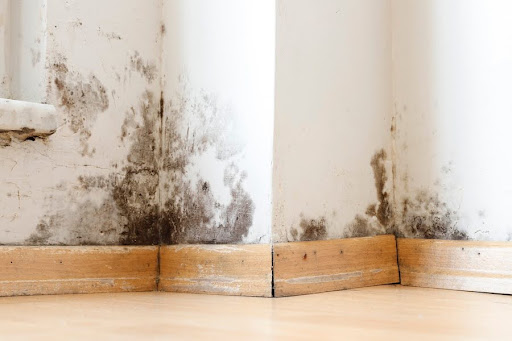
How to Prevent Mold Growth and Tackle Hidden Mold in Your Home
Preventing mold growth in your home is essential for maintaining a healthy living environment. Mold thrives in areas with excess moisture, poor ventilation, and organic material to feed on. Addressing both visible and hidden mold is key to keeping your household safe from potential health risks. Below, we’ll explore actionable strategies to prevent mold growth and identify hidden mold problems.
Tips for Preventing Mold Growth
- Maintain indoor humidity levels between 30% and 50%.
- Use a dehumidifier in damp areas such as basements or laundry rooms.
- Monitor humidity regularly using a hygrometer.
- Install exhaust fans in high-moisture areas like bathrooms, kitchens, and laundry rooms.
- Open windows when possible to improve airflow.
- Avoid blocking vents or air ducts with furniture or curtains.
- Repair leaks in roofs, walls, plumbing, or appliances as soon as they’re detected.
- Inspect under sinks and around fixtures for slow drips that could lead to water accumulation.
- Wipe up spills immediately to prevent water from seeping into porous surfaces like carpets or wood flooring.
- Dry wet clothes promptly instead of leaving them piled up indoors.
- Choose mold-resistant drywall or paint for areas prone to dampness.
- Seal porous surfaces like wood with protective coatings.
- Clean gutters regularly to prevent water pooling near your home’s foundation.
- Ensure downspouts direct water at least three feet away from the structure.
Dealing With Hidden Mold
- Identify Problem Areas: Hidden mold often occurs after leaks or prolonged exposure to moisture build-up in concealed spaces: | Common Locations | Signs of Hidden Mold | |————————-|——————————————–| | Inside walls | Discolored paint/wallpaper; musty odors | | HVAC systems | Unusual smells when running the system | | Behind appliances | Persistent odors; dark stains | | Under carpets/flooring | Soft spots; discoloration; peeling |
- Check for Musty Odors:
Musty smells are often an indicator of hidden mold growth even if no visual signs are present. - Use Moisture Meters or Thermal Imaging Tools:
These tools help detect damp spots behind walls and under floors that may harbor mold colonies. - Inspect After Water Damage Events: If you’ve recently experienced flooding, pipe bursts, or roof leaks, inspect the affected areas thoroughly even if they appear dry on the surface.
Professional Assistance for Hidden Mold Issues
- If structural damage is suspected (e.g., rotting wood), hire a certified contractor specializing in moisture damage repairs.
- For extensive infestations (over 10 square feet), professional mold remediation services are recommended per EPA guidelines.
- Certified experts can also perform air quality testing if there are ongoing concerns about airborne spores caused by undetected molds.
The Dangers of Ignoring Mold: Why Immediate Removal is Crucial for Your Health
Mold is not just an unsightly nuisance — it has the potential to cause serious health risks and structural damage to your home. Ignoring its presence can lead to long-term consequences that impact your well-being and your property value. Let’s explore why addressing mold issues immediately is essential and the dangers of letting it linger.
Health Risks Associated with Mold Exposure
- Respiratory Issues: Mold releases spores into the air, which can irritate the respiratory system when inhaled. This may lead to symptoms such as coughing, wheezing, shortness of breath, and nasal congestion.
- Allergic Reactions: Individuals with mold allergies might experience skin rashes, watery eyes, sneezing, or throat irritation.
- Asthma Aggravation: For those with asthma or other chronic respiratory diseases, mold exposure can worsen symptoms and trigger asthma attacks.
- Toxic Reactions: Certain molds, like Stachybotrys chartarum (commonly referred to as “black mold”), produce mycotoxins that may cause neurological problems, fatigue, headaches, or even memory loss in extreme cases.
Children, elderly individuals, pregnant women, and those with weakened immune systems are particularly vulnerable to the harmful effects of mold exposure.
Structural Damage Caused by Mold Growth
- Walls and Ceilings: Over time, mold growth weakens drywall and plasterboard materials. This deterioration may result in permanent damage requiring costly repairs.
- Flooring: If moisture seeps into floorboards or carpets unnoticed for long periods of time due to leaks or flooding incidents, these areas become prime spots for hidden mold colonies.
- HVAC Systems: Mold growth inside ductwork can spread spores throughout your house every time you run heating or cooling systems.
Allowing these structural damages to persist could reduce your home’s value significantly and create a hazardous living environment.
Why Immediate Action Is Necessary
- Prevent Further Spread: Mold reproduces quickly under ideal conditions (humidity levels above 60%). Delaying action allows it ample time to spread across larger areas.
- Minimize Health Risks: Early intervention reduces prolonged exposure risks for you and your family members.
- Avoid Expensive Repairs: Repairing extensive structural damage caused by advanced stages of infestation is far more costly than handling minor cases early.
Steps You Can Take for Immediate Response
- Identify the source of moisture (e.g., leaky pipes or roof) causing favorable conditions for growth.
- Contain small outbreaks using plastic sheeting until professionals assess the severity level.
- Consult certified remediation experts who employ safe removal methods tailored specifically toward residential settings.
| Signs of Hidden Mold | Possible Causes |
| Persistent musty odors | Humidity issues in crawl spaces |
| Discoloration on walls | Leaking plumbing behind surfaces |
| Peeling wallpaper/paint | Moisture trapped underneath layers |
Ignoring these indicators puts both personal safety & investment at unnecessary risk—prompt attention ensures healthier outcomes overall within affected households!
A Comprehensive Guide to Recognizing Common Indoor Molds in Residential Spaces
Understanding the types of mold that can grow in your home is essential for prompt identification and removal. Mold thrives in areas with excess moisture, and different species may require distinct treatment methods. Below is a detailed guide on common indoor molds you might encounter and their identifying characteristics.
1. Aspergillus
One of the most prevalent indoor molds, Aspergillus comes in a variety of colors, including green, yellow, or white. It often grows on food, fabrics, walls, or insulation materials.
- Common Locations: Damp walls, decaying food items, HVAC systems.
- Health Risks: Can cause allergic reactions and respiratory issues such as coughing or wheezing. Some strains produce mycotoxins harmful to health.
- Appearance: Powdery texture with a gradient-like coloration.
2. Cladosporium
This mold is unique because it can thrive in both warm and cool conditions. Cladosporium typically appears on wood surfaces or textiles.
- Common Locations: Carpets, wooden floors, cabinets, under sinks.
- Health Risks: Eye irritation, sneezing fits, skin rashes.
- Appearance: Olive green to brown patches; sometimes blackish hues can be observed.
3. Stachybotrys (Black Mold)
Often referred to as “toxic black mold,” this species is notorious for its potential health effects and preference for water-damaged spaces.
- Common Locations: Bathrooms with poor ventilation, basements prone to flooding.
- Health Risks: Chronic sinus infections, fatigue, headaches; prolonged exposure may exacerbate asthma symptoms.
- Appearance: Dark blackish-green streaks or clusters with a slimy texture.
4. Penicillium
Known for its rapid growth rate and ability to spread via airborne spores, Penicillium thrives on organic materials affected by water damage.
- Common Locations: Insulation materials (like fiberglass), wallpaper glue residues.
- Health Risks: Allergy-like symptoms such as sneezing and nasal congestion.
- Appearance: Bluish-green velvet-like texture that spreads quickly over surfaces.
5. Alternaria
A fast-growing mold commonly found in damp indoor environments with poor airflow or lingering humidity.
- Common Locations: Window frames during humid months; shower stalls; sinks.
- Health Risks: Asthma flare-ups; skin irritation; respiratory distress if inhaled over time.
- Appearance: Dark green flecks merging into brown hues with a fuzzy surface.
6. Chaetomium
Chaetomium thrives particularly well where water damage has occurred over extended periods of time.
- Common Locations: Roof leaks leading to drywall damage; basement corners vulnerable to flooding.
- Health Risks: Skin infections if touched directly; worsened symptoms of pre-existing respiratory conditions.
- Appearance: Begins as grey/white but darkens into black over time; has a cotton-like texture when observed closely.
Tips for Identifying Mold Accurately
- Use your senses: Look for discoloration along walls/floors coupled with musty odors indicative of fungal growth.
- Check hidden areas: Inspect beneath carpets/rugs or behind wallpaper if you suspect hidden growth patterns.
- Use testing kits: DIY test kits available commercially help determine spore types present indoors efficiently without professional aid initially needed unless results confirm hazardous presence suspected thereafter directly .
| Mold Type | Common Color(s) | Typical Texture | Risk Level |
| Aspergillus | Green/yellow/white | Powdery | Moderate |
| Cladosporium | Olive green/brown | Fuzzy | Moderate |
| Stachybotrys | Black/dark green | Slimy | High |
| Penicillium | Blue-green | Velvety | Moderate |
| Alternaria | Dark green/brown | Fuzzy | Moderate |
| Chaetomium | Grey-white -> Black | Cotton-like | High |
By understanding the characteristics of these molds alongside their associated risks , tackling infestations early becomes significantly easier minimizing long-term consequences effectively impacting health/home neglect-check scenarios avoided likewise .

Types of Harmful Mold That May Be Lurking in Your Home and How to Identify Them
Mold is a common household issue that can pose significant health risks if left untreated. Identifying the type of mold present in your home is critical for implementing appropriate removal strategies. Below, we examine six types of harmful molds that are commonly found indoors and provide tips for recognizing them.
1. Stachybotrys Chartarum (Black Mold)
- Appearance: Black or dark green slimy patches.
- Common Locations: Damp areas such as basements, bathrooms, or spaces with water damage.
- Health Risks: Respiratory issues, chronic coughing, fatigue, and in severe cases, neurological symptoms.
- Look for areas with consistent moisture or poor ventilation.
- A musty odor may accompany growth.
2. Aspergillus
- Appearance: White or grayish with dark spots; can also appear yellow-green.
- Common Locations: Air conditioning systems, insulation, and food items.
- Health Risks: Allergies, lung infections (Aspergillosis), and asthma attacks.
- Check HVAC systems for irregular airflow and discoloration on vents.
- This mold can grow on stored food—inspect dry goods carefully.
3. Cladosporium
- Appearance: Olive-green to black powdery texture.
- Common Locations: Carpets, upholstery, curtains, wood surfaces, and HVAC ducts.
- Health Risks: Skin irritation, sinusitis, and eye infections.
- Pay attention to fabrics and wood that have been exposed to high humidity levels.
4. Penicillium
- Appearance: Blue-green with a velvety surface.
- Common Locations: Water-damaged walls, wallpaper adhesive, carpets, and mattresses.
- Health Risks: Allergic reactions and inflammation of the respiratory tract.
- Inspect old wallpaper seams or damp wall corners for bluish growth.
5. Alternaria
- Appearance: Dark greenish-black with a velvety or fuzzy texture.
- Common Locations: Bathrooms (showers), kitchens (sink areas), window frames exposed to condensation.
- Health Risks: Asthma symptoms worsen; increased risk of chronic allergic reactions.
- Alternaria thrives in wet conditions—check areas prone to leaks or condensation buildup.
6. Chaetomium
- Appearance: Cotton-like texture ranging in color from white to gray/brown over time as it matures.
- Common Locations: Water-damaged drywall or plasterboard materials with high cellulose content (paper-like).
- Health Risks: Mycotoxin production potentially harmful long-term when inhaled frequently by occupants unaware till**
Understanding the Health Risks Associated with Prolonged Mold Exposure Indoors
Mold exposure is a common yet often overlooked issue in many households. While mold may initially seem like a minor nuisance, prolonged exposure can have serious implications for your health. Understanding these risks is essential for protecting yourself and your family. This article explores the health hazards associated with long-term mold exposure indoors and how you can minimize those risks.
Common Health Issues Linked to Mold Exposure
- Persistent coughing or wheezing
- Difficulty breathing
- Development or worsening of asthma symptoms
- Sneezing fits
- Runny or stuffy nose
- Red, itchy eyes or skin rashes
- Mold exposure may lead to constant tiredness or fatigue due to the body’s immune response being overactive.
- Headaches or migraines
- Memory problems and brain fog
- Dizziness and lack of focus
At-Risk Populations for Mold Sensitivities
| Group | Increased Sensitivity Factors |
| Infants and young children | Developing immune systems |
| Elderly individuals | Age-related immunity decline |
| Asthma patients | Pre-existing respiratory vulnerabilities |
| Immunocompromised people | Reduced ability to fight infections |
| Those allergic to mold | Heightened sensitivities to allergens |
If you belong to one of these groups, extra precautions should be taken when living in environments prone to moisture-related issues.
The Psychological Impact of Long-Term Mold Exposure
- Increased levels of anxiety or depression due to prolonged discomfort or illness caused by toxins from certain molds like Stachybotrys chartarum (commonly known as “black mold”).
- Sleep disturbances resulting from respiratory difficulties at night.
These psychological consequences could worsen over time if no action is taken against existing mold infestations.
How Mold Exposure Impacts Indoor Air Quality (IAQ)
- Airborne Particles: Spores released into confined spaces reduce breathable oxygen purity.
- Humidity Changes: Excess trapped moisture promotes both fungal regrowth cycles & toxic emission rates further exacerbating above symptoms mentioned.
Regular HVAC servicing alongside dehumidification tools serves preventive maintenance while safe remediation restores healthier equilibrium.
- Mold Removal Deltona FL: Understanding the Difference Between Removal and Remediation
- Mold Remediation Deltona FL: Understanding the Key Differences to Protect Your Health and Property
- How a Mold Inspection Deltona FL Can Protect Your Health from Black Mold
- 6 Effective Mold Remediation Deltona FL: Identifying Harmful Mold in Your Home
- Comprehensive Guide to Mold Removal Deltona FL and Understanding Black Mold Dangers
- Mold Remediation Deltona FL: Understanding the Key Differences Between Removal and Remediation
- Understanding Mold Removal Deltona FL: Key Differences Between Removal and Remediation