


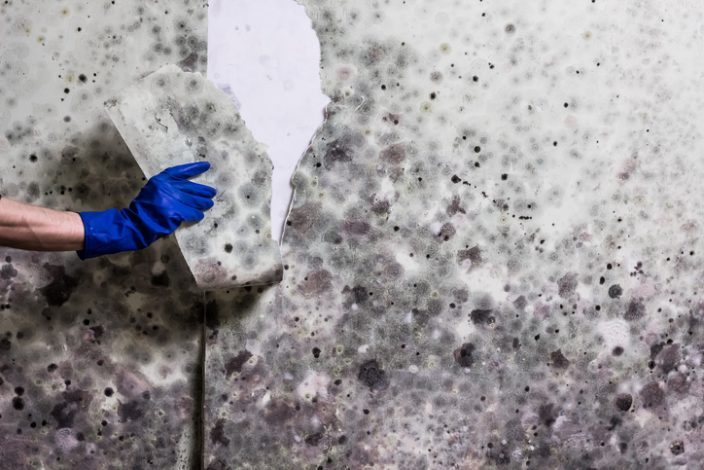
Black mold, scientifically known as Stachybotrys chartarum, poses significant health risks when it grows indoors. The danger stems from the toxic substances it produces, such as mycotoxins, which can negatively impact the human respiratory system and overall well-being. Understanding why black mold is harmful is key to preventing its effects on your health.
Mycotoxins: The Hidden Threat
Black mold releases microscopic spores into the air, which can carry mycotoxins.
- Respiratory Problems: Irritation of the nose, throat, and lungs can occur, potentially causing chronic coughing or wheezing.
- Allergic Reactions: Symptoms like sneezing, skin rashes, or watery eyes are common in individuals sensitive to mold.
- Asthma Complications: People with asthma may experience more frequent attacks or worsening symptoms when exposed to black mold.
- Chronic Fatigue and Headaches: Exposure over time has been linked to headaches and general feelings of fatigue.
Vulnerable Populations
- Infants and Young Children– Their developing immune systems make them particularly vulnerable.
- Elderly Individuals– Aging often weakens the immune system, increasing sensitivity to mold toxins.
- People with Pre-existing Respiratory Conditions– Those with asthma or chronic obstructive pulmonary disease (COPD) are at heightened risk.
- Immunocompromised Individuals– Those undergoing chemotherapy or living with autoimmune diseases may suffer more severe effects.
Long-Term Health Risks
- Chronic inflammatory response syndrome (CIRS)
- Neurological issues like memory loss and difficulty concentrating
- Severe respiratory illnesses
Comparing Black Mold to Other Household Molds
| Feature | Black Mold (Stachybotrys chartarum) | Other Common Molds (e.g., Cladosporium) |
| Color | Dark green or black | Varies (white, green, yellow) |
| Toxin Production | Produces dangerous mycotoxins | Often less toxic |
| Growth Conditions | Prefers damp areas and cellulose | Thrives in various conditions |
| Associated Health Risks | Severe respiratory and neurological concerns | Typically mild allergic reactions |
Preventative Measures for Protecting Health
- Maintain indoor humidity levels below 50%.
- Regularly inspect areas prone to moisture buildup (e. g. , bathrooms).
- Repair leaks in roofs and pipes promptly.
- Use dehumidifiers in damp spaces like basements.
By recognizing the potential health dangers posed by black mold and taking proactive steps toward prevention, you can limit its impact on you and your family’s well-being.
Understanding How Mold Removal Deltona FL Can Prevent Black Mold Growth in Homes
Understanding how black mold grows and spreads is essential for effective prevention and remediation. Black mold (Stachybotrys chartarum) thrives in particular environmental conditions, making some homes more susceptible than others. Below, we’ll explore the factors that contribute to its growth, the ways it spreads, and what you can do to minimize risk.
Understanding Mold Testing in Deltona FL and What Causes Black Mold Growth
Black mold requires specific conditions to grow.
- Moisture: Excessive moisture is the primary factor that allows black mold to thrive.
- Leaking pipes
- Roof leaks
- Flooding incidents
- High indoor humidity levels (above 60%)
- Organic Material: Black mold feeds on materials like drywall, wood, carpet, or insulation. Any porous material that retains moisture can become a breeding ground.
- Darkness: Mold tends to grow in dark or poorly lit areas since direct sunlight inhibits its development.
- Warmth: Temperatures between 70–90°F (21–32°C) are ideal for black mold growth.
How a Mold Removal Company Deltona FL Can Help Prevent Black Mold Spread
Once established, black mold spreads through spores released into the air. These microscopic spores are lightweight and easily travel throughout your home via air currents or HVAC systems.
- Airborne Spores: Spores settle on damp surfaces where they can begin a new colony.
- Water Flow: In cases of flooding or leaks, water can transfer spores from one area of your home to another.
- Contact with Contaminated Materials: Furniture, clothing, or other objects carrying spores can spread contamination when moved around.
Common Areas Where Black Mold Grows
| Area | Why It’s Vulnerable |
| Bathrooms | High humidity from showers and poor ventilation |
| Basements | Susceptible to flooding and condensation |
| Kitchens | Leaks under sinks or around appliances |
| Attics | Roof leaks and limited air circulation |
| HVAC Systems | Moisture accumulation in ducts |
Tips for Preventing Mold Growth
Preventing black mold requires controlling the conditions that allow it to thrive.
- Fix plumbing leaks promptly.
- Use a dehumidifier in humid environments.
- Increase ventilation by using exhaust fans in bathrooms and kitchens.
- Regularly inspect areas prone to water damage (e. g. , basements, attics).
- Clean gutters frequently to prevent roof leaks.
- Dispose of wet materials immediately after flooding.
Summary Table: Key Prevention Strategies
| Problem | Solution |
| High indoor humidity | Use dehumidifiers |
| Poor ventilation | Install exhaust fans |
| Plumbing or roof leaks | Address issues promptly |
| Water-damaged items | Remove/dry within 24–48 hours |
By understanding how black mold grows and spreads in homes, you’ll be better equipped to identify potential risks early on and take steps toward preventing serious infestations. Quick action is key when dealing with moisture problems since even a small amount of water can lead to significant growth over time.
Effective Mold Remediation Deltona FL: Common Areas Where Black Mold Grows in Your Home
Black mold thrives in areas where moisture, warmth, and organic materials are present. Understanding the common locations where black mold can grow within your home is crucial for prevention, early detection, and prompt remediation. Below are the typical areas you should inspect regularly to ensure your home remains mold-free.
High-Risk Areas for Black Mold
- Why it’s a problem:Bathrooms are typically warm and humid due to frequent water usage, making them an ideal environment for black mold growth.
- Where to check:
- Around sinks, bathtubs, and showers (especially in grout lines).
- Behind or under toilets where leaks may occur.
- Inside bathroom cabinets if pipes or fittings drip.
- Prevention tips:Ensure proper ventilation by using exhaust fans or opening windows after bathing or showering.
- Why it’s a problem:Kitchens also experience high levels of moisture from dishwashing, cooking, and potential water leaks. Spills of organic materials like food can further promote growth.
- Where to check:
- Under sinks where plumbing leaks might occur.
- Behind refrigerators due to condensation buildup on coils.
- Around dishwashers or any appliances connected to water lines.
- Prevention tips:Address leaks promptly and wipe down damp surfaces regularly.
- Why it’s a problem:These areas are prone to dampness due to poor ventilation, groundwater seepage, or flooding events. They also tend to be cooler with minimal sunlight exposure—conditions that allow mold colonies to thrive undisturbed.
- Where to check:
- Walls and floors made of porous materials (e. g. , concrete).
- Around sump pumps or along foundation cracks where water intrusion may occur.
- Prevention tips:Utilize dehumidifiers and seal cracks in walls or floors.
- Why it’s a problem:Poor ventilation combined with roof leaks can create pockets of trapped moisture in attics—perfect conditions for black mold growth over time.
- Where to check:
- Near roof valleys or flashing if there are signs of leakage from rainwater.
- On insulation materials that may absorb moisture.
- Around HVAC systems housed in the attic space.
- Prevention tips:Regularly inspect your roof for damage and maintain proper attic ventilation.
- Laundry Rooms
Laundry rooms often combine two significant risk factors: heat and humidity generated by washers and dryers as well as occasional spills from detergents or fabric softeners that provide nutrients for mold spores. - Check around hoses connecting washing machines as well as surrounding walls/flooring exposed during appliance use cycles.
Vulnerable Materials That Promote Growth
| Material | Risk Level | Examples | Prevention Methods |
| Wood/wood-based items | High | Furniture legs; wooden structures | Use water-resistant finishes |
| Drywall/plaster | Moderate | Wall panels near kitchens/bathrooms | Apply anti-mold treatments/coatings |
| Upholstery/Fabrics | Moderate–High | Carpets; curtains close proximity spills etc |
Health Risks of Black Mold Deltona FL: Understanding Mycotoxin and Endotoxin Exposure
Exposure to black mold is not just a structural problem for your home but also a significant health hazard. Black mold (Stachybotrys chartarum) releases harmful substances known as mycotoxins and endotoxins, which can have adverse effects on human health. Understanding these risks can help you take the necessary steps to protect yourself and your household.
What Are Mycotoxins and Endotoxins?
- Mycotoxins: These are toxic compounds produced by certain types of mold, including black mold. They are released into the air and can contaminate surfaces, food, and even water in areas affected by mold.
- Endotoxins: These toxins are part of the outer membrane of certain bacterial cells that may thrive in damp environments where mold grows. When released into the air or absorbed through contact, they can contribute to respiratory irritation.
Health Risks Associated with Mycotoxin Exposure
Mycotoxins can affect people differently depending on factors such as pre-existing health conditions, age, or level of exposure.
- Chronic coughing
- Wheezing
- Shortness of breath
- Rashes
- Itching
- Headaches
- Fatigue
- Difficulty concentrating (often referred to as “brain fog”)
- Increased susceptibility to infections due to compromised immunity
Health Risks Associated with Endotoxin Exposure
Endotoxins are often airborne in homes with extensive water damage or moisture problems.
- Inflammation in lung tissues
- Triggering asthma attacks in sensitive individuals
- Allergic reactions such as runny nose or itchy eyes
Groups at Higher Risk for Mold-Related Illnesses
| Group | Risks |
| Infants and Children | Developing respiratory systems make them more prone to irritation |
| Elderly Individuals | Weakened immune systems increase susceptibility |
| Immunocompromised | Higher risk of severe infection |
| Asthma/Allergy Sufferers | Greater likelihood of experiencing heightened symptoms |
Preventing Exposure to Mycotoxins and Endotoxins
- Keep indoor humidity levels below 50% using dehumidifiers or ventilation.
- Address leaks or water damage immediately.
- Regularly clean areas prone to dampness such as bathrooms and basements.
- Use an air purifier equipped with HEPA filters to reduce airborne toxins.
By understanding how mycotoxin and endotoxin exposure impacts health, you can take informed steps toward creating a safer living environment for yourself and your family.
The Importance of Professional Testing for Effective Mold Removal
When it comes to black mold, professional testing plays a critical role in ensuring the safety and health of your home or workplace. While some homeowners may attempt to address mold issues on their own, relying on professional testing is essential to accurately identify the extent of the problem and determine the best course of action for remediation.
Why Is Professional Mold Testing Necessary?
Professional mold testing provides accurate and detailed information about the type and concentration of mold present in your property.Stachybotrys chartarum), can pose significant health hazards.
- Precise Identification: Trained professionals use advanced equipment to identify specific types of mold.
- Health Risk Assessment: Testing helps gauge potential exposure risks to toxic substances like mycotoxins.
- Extent of Contamination: Professionals can determine how widespread the problem is, including hidden areas that may not be visible.
- Targeted Remediation Plans: Accurate results allow for tailored solutions that address the root cause effectively.
DIY Testing vs.
Many homeowners consider using over-the-counter mold test kits due to their affordability and ease of use. While these kits may provide basic information, they lack the depth and accuracy offered by professional services.
| Factor | DIY Test Kits | Professional Testing |
| Accuracy | Limited | High |
| Detection of Hidden Mold | Rare | Yes |
| Identification of Specific Type | Sometimes unreliable | Precise |
| Expert Analysis | No | Yes |
For serious issues or suspected black mold, relying on DIY kits alone can lead to incomplete or incorrect results.
The Process of Professional Mold Testing
- Visual Inspection: Experts will look for visible signs of mold growth and water damage.
- Air Sampling: Airborne spores are collected from different areas using specialized equipment.
- Surface Sampling: Samples are taken from walls, floors, or other surfaces showing signs of contamination.
- Lab Analysis: Collected samples undergo laboratory analysis to identify specific mold species and concentrations.
- Detailed Reporting: A comprehensive report is provided with findings and recommendations for remediation.
Benefits of Hiring Professionals for Mold Testing
- Eliminates guesswork in identifying safe levels versus hazardous conditions.
- Reduces risks associated with improper handling during DIY attempts.
- Provides legally admissible documentation when required (e. g. , in property disputes).
- Ensures peace of mind by confirming that your indoor environment is safe post-remediation.
Choosing a Reliable Mold Testing Service
- Certification by recognized organizations such as the Indoor Air Quality Association (IAQA).
- Reviews and recommendations from previous clients.
- Experience dealing with black mold specifically.
- Use of modern techniques such as infrared thermography for detecting hidden moisture sources.
By prioritizing professional testing as part of your mold remediation plan, you ensure that efforts are focused effectively on eliminating harmful contaminants while protecting both property value and occupant health.
How to Remove Dangerous Black Mold Safely and Effectively
When dealing with black mold, safety and effectiveness are key to ensuring both the removal of the mold and the prevention of future growth. Black mold, often caused by high moisture levels, requires a systematic approach for proper eradication. Below is a step-by-step guide to safely and effectively remove dangerous black mold.
Step 1: Prioritize Safety Precautions
Before beginning any removal process, it’s essential to protect yourself from exposure to mold spores, which can be harmful when inhaled or come in contact with your skin.
- Wear personal protective equipment (PPE):Use gloves, goggles, and a NIOSH-approved respirator or mask (like an N95 mask) to minimize exposure.
- Ensure proper ventilation:Open windows and doors in the affected area. If possible, use exhaust fans to direct airflow outdoors.
- Seal off contaminated areas:Prevent spores from spreading by sealing off vents or other openings with plastic sheeting and tape.
Step 2: Identify the Extent of Mold Contamination
Before proceeding with cleanup, assess how widespread the problem is. Small infestations (less than 10 square feet) can typically be handled by homeowners, but larger areas may require professional intervention.
A simple checklist for identifying contamination:
– Is there visible black or dark green mold growth?
– Do you detect a musty odor in specific rooms?
– Are there water-damaged materials like drywall or carpet?
Areas exceeding 10 square feet should be addressed by certified mold remediation professionals.
Step 3: Use Effective Cleaning Solutions
For small infestations that you can manage safely on your own, select an appropriate cleaning method based on the surface type.
| Surface Type | Recommended Cleaning Solution | Notes |
| Non-porous surfaces | A mixture of bleach (1 cup) and water (1 gallon) or commercial EPA-approved cleaners | Avoid mixing bleach with ammonia or other chemicals. |
| Porous materials | Replace items like drywall and insulation if heavily infested | Cleaning porous items may not remove spores entirely. |
| Wood surfaces | Vinegar solution or special antimicrobials for wood | Dry immediately after cleaning to prevent further damage. |
Important:Never dry-scrub black mold as this will release spores into the air.
Step 4: Remove Contaminated Materials
- Carefully bag contaminated materials in heavy-duty plastic bags before removing them from your home.
- Dispose of these items per local waste management guidelines.
- Vacuum remaining residues using a HEPA vacuum cleaner specially designed for trapping fine particles such as mold spores.
Step 5: Eliminate Moisture Sources
- Fix leaks in roofs, walls, windowsills, pipes, or HVAC systems promptly.
- Ensure proper drainage around your home’s foundation.
- Invest in dehumidifiers if humidity levels exceed 50%.
- Improve airflow using fans and regularly open windows where possible.
Maintaining low indoor humidity (between 30%-50%) is crucial for preventing future outbreaks.
Step 6: Monitor Areas Post-Cleanup
- Perform regular inspections of previously affected spaces.
- Consider purchasing air quality monitors that can detect elevated spore levels.
- If you notice recurrence despite following these steps carefully, consult licensed professionals immediately.
By following these outlined steps methodically while prioritizing safety measures at every stage of the process, you can effectively eliminate dangerous black mold from your home without causing harm to yourself or others living within it.
- Mold Removal Deltona FL: Understanding the Difference Between Removal and Remediation
- Mold Remediation Deltona FL: Understanding the Key Differences to Protect Your Health and Property
- How a Mold Inspection Deltona FL Can Protect Your Health from Black Mold
- 6 Effective Mold Remediation Deltona FL: Identifying Harmful Mold in Your Home
- Comprehensive Guide to Mold Removal Deltona FL and Understanding Black Mold Dangers
- Mold Remediation Deltona FL: Understanding the Key Differences Between Removal and Remediation
- Understanding Mold Removal Deltona FL: Key Differences Between Removal and Remediation