Deltona Mold Removal Company: Pro Remediation & Mold Removal Deltona Florida

Deltona Mold Removal Company: Pro Remediation & Mold Removal Deltona Florida

Jouer aux jeux de carte chez Play Regal Casino : guide

Play Regal Casino est une plateforme de jeu en ligne qui se démarque par son large éventail de jeux de cartes passionnants. Pour les amateurs de jeux de cartes, cet établissement offre une expérience riche et variée à découvrir sur play regal. Ce guide présentera les différents jeux de cartes disponibles, les avantages de jouer chez Play Regal, ainsi que des conseils pour maximiser votre expérience de jeu.

Découverte des jeux de cartes

Play Regal Casino propose une sélection impressionnante de jeux de cartes qui séduira les nouveaux joueurs comme les experts. Parmi les titres les plus populaires, on retrouve le blackjack, le poker et le baccarat, chacun offrant des variations qui ajoutent du piquant aux sessions de jeu.

Les amateurs de blackjack peuvent profiter de nombreuses versions, y compris des tables avec des croupiers en direct. Pour les fans de poker, la plateforme propose des jeux allant du Texas Hold’em aux variantes moins connues, ce qui garantit une expérience toujours renouvelée.

Avantages de jouer chez Play Regal

  • Large choix de jeux
  • Interface conviviale et accessible
  • Opérateurs de jeu réputés et fiables
  • Bonus compétitifs
  • Options de jeu en direct avec croupiers réels

Un des grands atouts de Play Regal est son interface utilisateur intuitive, qui permet aux joueurs de naviguer aisément entre les différents jeux. Les bonus offerts, tels que les promotions de bienvenue et les offres de fidélisation, garantissent une expérience agréable et lucrative.

Conseils pour optimiser votre expérience de jeu

Pour profiter au maximum des jeux de cartes chez Play Regal, il est conseillé de bien comprendre les règles de chaque jeu avant de miser de l’argent réel. Les joueurs devraient également prendre le temps d’explorer les différentes variantes disponibles pour trouver celles qui leur conviennent le mieux.

Un bon conseil est de définir un budget de jeu et de s’y tenir, afin d’assurer une expérience de jeu responsable et agréable. En outre, participer aux promotions et prendre part à des tournois peut également renforcer l’excitation et l’engagement.

Jeu de cartes Variantes Caractéristiques
Blackjack Classic, European, Live Dealer Stratégie et multiplicité des mises
Poker Texas Hold’em, Omaha Tournois et cash games
Baccarat Chemin de Fer, Punto Banco Jeu de mise élevée

FAQ sur les jeux de cartes chez Play Regal

Quels jeux de cartes sont disponibles chez Play Regal ?

Play Regal propose une variété de jeux de cartes tels que le blackjack, le poker et le baccarat, avec de nombreuses variantes.

Y a-t-il des bonus pour les jeux de cartes ?

Oui, Play Regal offre des bonus attractifs pour les nouveaux joueurs ainsi que des promotions pour les joueurs réguliers.

Est-il possible de jouer en direct ?

Oui, la plateforme propose des jeux avec des croupiers en direct, offrant une expérience de jeu immersive et interactive.

Understanding PowerUp Casino’s Loyalty Program Benefits

PowerUp Casino is an innovative online gaming platform that stands out in the competitive casino market. One of its key attractions is its loyalty program, which offers numerous benefits designed to enhance the gaming experience for dedicated players. This article will delve into the advantages that come with being a member of PowerUp Casino’s loyalty program. powerup casino

Understanding the Loyalty Program Structure

PowerUp Casino’s loyalty program is structured to reward regular players with various perks based on their activity and wagering levels. The program comprises multiple tiers, each providing increasing benefits as players progress. Players accumulate loyalty points by participating in games, which can then be exchanged for bonuses, free spins, or even cash rewards.

This tier-based system incentivizes players to explore the platform more deeply, as reaching higher levels unlocks more valuable rewards. Each level is designed to enhance the player’s overall experience, ensuring that their time at the casino is both enjoyable and rewarding.

Exclusive Benefits of the Loyalty Program

The loyalty program at PowerUp Casino offers numerous exclusive benefits, contributing to a more engaging gaming experience. Some of the key benefits include:

  • Monthly bonuses and promotions tailored for loyal players.
  • Access to special tournaments and events with exclusive prizes.
  • Personal account managers for top-tier members offering assistance
  • Faster withdrawal times and higher deposit limits for loyal players.
  • Tailored bonuses based on individual gaming preferences and history.

These benefits make the loyalty program not just a rewards scheme, but a comprehensive system that enhances the overall user experience.

How to Maximize Your Loyalty Points

To optimize the use of loyalty points, players should actively engage in games that yield higher points accumulation. Slot games often contribute more points than table games, but varying promotions may prioritize different game types. Understanding these nuances can significantly impact point collection rates.

Moreover, regular participation in PowerUp Casino’s promotional events can result in bonus points, offering players an opportunity to enhance their status within the loyalty program without needing to increase their wagering significantly.

Comparing PowerUp Casino’s Loyalty Program to Industry Standards

When comparing PowerUp Casino’s loyalty program to those typically seen in the industry, it becomes evident that the platform prioritizes player engagement and reward generosity. Many online casinos offer loyalty programs, but PowerUp Casino’s tiered benefits and exclusive promotions set it apart.

Feature PowerUp Casino Average Industry Standard
Tiers Multiple, with increasing rewards Single tier or basic rewards
Bonus Options Monthly bonuses, tailored rewards Standard bonuses
Personal Account Management Available for top-tier players Often absent

FAQ: Common Questions About the Loyalty Program

  • What are loyalty points used for? Loyalty points can be redeemed for bonuses, free spins, and cash rewards, enhancing the overall gaming experience.
  • How can I increase my loyalty points? Points can be increased by playing games that contribute more to your loyalty level and participating in promotional events.
  • Is there a cap on loyalty points? PowerUp Casino does not impose a cap on loyalty points, allowing players to accumulate as many as they can earn through their gaming activities.

Discovering the Live Dealer Experience at 5Gringos Casino

The live dealer experience at 5gringo-casino-au.com elevates online gaming by blending the thrill of traditional casinos with the convenience of digital play. This platform offers players the opportunity to engage with real dealers in real-time, creating an authentic casino atmosphere from the comfort of their homes. With a diverse array of live games and state-of-the-art streaming technology, 5Gringos Casino aims to provide an unmatched interactive gaming experience for all types of players.

Immersive Live Casino Games

5Gringos Casino features a wide selection of live dealer games that cater to a variety of preferences. Players can enjoy classic table games such as blackjack, roulette, and baccarat, alongside innovative game shows that provide a unique twist. Each game is hosted by professional dealers, ensuring a high level of engagement and professionalism.

In addition to the popular titles, 5Gringos regularly updates its offerings to include new and exciting games from top-tier software providers, keeping the gaming experience fresh and enjoyable. The platform also employs advanced technology to deliver seamless gameplay with minimal lag, allowing for an optimal user experience.

Interactivity and Social Engagement

One of the standout features of the live dealer section at 5Gringos Casino is the strong focus on interactivity. Players are able to communicate with the dealers through a live chat function, which adds a social element to the gaming experience. This feature not only helps build community among players but also enables them to ask questions and receive guidance directly from the dealers.

This level of interaction mirrors the social experience found in land-based casinos, making it particularly appealing to players who enjoy the camaraderie of gambling with others. Furthermore, with the ability to join tables with multiple players, the live dealer games create a vibrant atmosphere full of excitement.

Understanding the Technology Behind Live Gaming

5Gringos Casino utilizes industry-leading technology to provide an exceptional live gaming experience. High-definition video streaming ensures that players have a clear view of the game, while multiple camera angles allow for better engagement and understanding of the gameplay. The platform also emphasizes security and smooth transactions, ensuring that players can focus on their gaming without concerns regarding their data or funds.

The live dealer section is accessible across various devices, including desktops, tablets, and mobile phones. This flexibility enables players to enjoy their favorite games anytime, anywhere, making the experience convenient and user-friendly.

Quick Facts About Live Dealer Games at 5Gringos

  • Wide selection of games, including classic and innovative titles.
  • Real-time interaction with professional dealers.
  • High-definition streaming technology for seamless gameplay.
  • Accessible on multiple devices including mobile.
  • Regular updates with new games to keep the experience fresh.
Game Type Popular Titles Number of Tables
Blackjack Classic Blackjack, Speed Blackjack 5
Roulette American Roulette, European Roulette 3
Baccarat Live Baccarat, Speed Baccarat 4

FAQ About Live Dealer Experience

What types of games can I play live at 5Gringos Casino?
Players can enjoy a variety of games including blackjack, roulette, and baccarat, as well as interactive game shows.

Is the live dealer experience available on mobile devices?
Yes, the live dealer games are fully accessible on mobile devices, providing a versatile gaming experience.

How does 5Gringos Casino ensure a fair gaming environment?
The casino employs licensed dealers and uses certified RNG technology to maintain fairness in all live games.

Jouez en toute confiance sur Wyns Casino : Un aperçu

Wyns Casino est une plateforme de jeu en ligne qui offre aux joueurs une expérience unique et sécurisée. Avec un accent sur la confiance et la transparence, cette plateforme est idéale pour les amateurs de jeux d’argent désirant se divertir sans inquiétude. Pour ceux qui envisagent de s’inscrire, le processus est simple grâce à l’wyns casino inscription.

Confiance et Sécurité

Wyns Casino s’engage à offrir un environnement de jeu sécurisé. La plateforme est licenciée et réglementée, ce qui assure une protection des données des utilisateurs et une transparence totale. De plus, des technologies de cryptage avancées sont utilisées pour sécuriser les transactions et les informations personnelles.

Les joueurs peuvent également profiter d’une politique de jeu responsable, qui vise à promouvoir le bien-être des utilisateurs et à prévenir les comportements de jeu excessif. Cela inclut des outils d’auto-évaluation et la possibilité de limiter les dépôts.

Catalogue de Jeux Varié

Le catalogue de Wyns Casino est impressionnant, proposant une vaste sélection de jeux allant des machines à sous aux jeux de table classiques. Les joueurs peuvent également explorer des sections dédiées aux jeux en direct, où des croupiers professionnels animent les tables en temps réel.

  • Machines à sous variées
  • Jeux de table classiques
  • Live Casino avec croupiers en direct
  • Jeux de loterie
  • Nouveaux jeux régulièrement ajoutés

Bénéfices et Bonus

Wyns Casino offre un système de bonus attractif. Les nouveaux joueurs peuvent bénéficier d’une prime de bienvenue, tandis que les utilisateurs réguliers peuvent profiter de promotions hebdomadaires. Il est crucial de lire attentivement les conditions de mise associées pour maximiser les gains.

La fidélité des joueurs est également récompensée à travers un programme VIP, offrant des avantages exclusifs tels que des promotions personnalisées et un service client dédié.

Type de Bonus Pourcentage Conditions de Mise
Bonus de Bienvenue 100% 30x
Bonus de Recharge 50% 25x

Questions Fréquemment Posées

Wyns Casino est-il fiable ?

Oui, Wyns Casino est licencié et utilise des technologies de sécurité de pointe pour protéger ses joueurs.

Quels types de jeux sont disponibles ?

La plateforme propose une variété de jeux, y compris des machines à sous, des jeux de table et des jeux en direct.

Comment puis-je retirer mes gains ?

Les retraits peuvent être effectués à l’aide de plusieurs méthodes de paiement sécurisées, avec des délais de traitement rapides.

Evaluating Player Trust at Dendera Casino

Dendera Casino positions itself as a trustworthy online gaming platform, earning attention for its transparency and player-centric approach. For those seeking safety and security while enjoying games, Dendera offers a robust framework that prioritizes user trust. The platform can be visited at https://denderacasino-au.com to explore its offerings in a safe environment.

Trust and Licensing at Dendera Casino

Dendera Casino operates under a reputable gaming license, which is a critical factor for ensuring player trust. Regulated by relevant authorities, the platform adheres to strict guidelines aimed at providing a fair and secure gaming experience. This licensing guarantees that the casino’s operations are regularly monitored, thus minimizing the risks associated with online gambling.

Moreover, Dendera employs advanced encryption technologies to safeguard personal and financial data. Utilizing HTTPS protocols and robust security measures, players can feel confident that their information is protected against unauthorized access. The presence of responsible gaming initiatives also reflects Dendera’s commitment to player welfare, ensuring an ethical gaming environment.

Player Experience and Support

The user experience at Dendera Casino is designed to be intuitive, making it easy for new and returning players to navigate through the site. The platform boasts a clean design, quick loading times, and seamless functionality across various devices, enhancing the overall gaming experience.

In terms of player support, Dendera Casino provides multiple channels for assistance, including live chat, email, and comprehensive FAQs. This efficient support system ensures that players receive prompt and helpful responses to their queries, fostering a sense of reliability and trust.

Quick Facts about Dendera Casino

  • Licensed and regulated for player safety
  • High-level encryption for data protection
  • Dedicated customer support available 24/7
  • Responsible gaming practices in place
Feature Details Player Benefit
Licensing Regulated by gaming authorities Ensures fair play
Security Advanced encryption Protects personal data
Support Multi-channel assistance Fast query resolution

Frequently Asked Questions

  • Is Dendera Casino safe to play at? Yes, it operates under a valid license and employs strong security measures.
  • What kind of support is available? Players can access 24/7 support through live chat and email.
  • How does Dendera ensure fair play? The casino is regulated and regularly audited to maintain operating standards.

Is Roo Casino Worth Your Time and Money?

When considering an online gaming platform, roocasino has garnered attention in the competitive landscape. This casino offers a variety of gaming options, engaging bonuses, and a user-friendly experience that appeals to both novices and seasoned players alike. However, the question remains: is it worth your time and money?

Overview of Roo Casino

Roo Casino positions itself as a versatile platform with a diverse game collection, intuitive interface, and multiple payment solutions. The casino is licensed and regulated, catering to a global audience with various gaming preferences. Its aesthetic design enhances the overall experience, making it visually appealing while offering straightforward navigation.

Players can explore numerous categories, including slots, table games, and live dealer options. The software providers aligned with Roo Casino boast significant industry recognition, which enhances the trust factor in the offered games. However, the breadth of the gaming catalog may vary, which potential players should consider before indulging.

Bonuses and Promotions

Roo Casino features a comprehensive bonus ecosystem designed to attract new players and retain existing ones. First-time users can benefit from generous welcome bonuses that typically include matched deposits and free spins. Additionally, the loyalty program rewards returning players, offering various incentives based on gaming activity.

  • Welcome bonuses for new players
  • Monthly promotions and reload bonuses
  • VIP loyalty program with exclusive benefits
  • Seasonal offers that enhance the gaming experience

However, it’s essential for players to review the terms and conditions associated with these bonuses, particularly the wagering requirements, to fully understand the potential benefits before claiming offers.

Payment Methods and Security

The payment infrastructure at Roo Casino encompasses multiple deposit and withdrawal options, including popular e-wallets, credit cards, and cryptocurrencies. Transactions are typically processed swiftly, contributing positively to the overall player experience.

Payment Method Deposit Time Withdrawal Time
Credit/Debit Card Instant 1-3 Days
e-Wallet Instant 24 Hours
Cryptocurrency Instant 1-2 Hours

Safety and security are paramount; Roo Casino implements advanced encryption protocols to protect players’ information and transactions. This commitment to security nurtures a trustworthy environment for gaming.

Player Support and Experience

Player support at Roo Casino is readily available through various channels, including live chat and email. The responsiveness of the support team contributes positively to a player’s experience, ensuring all queries and concerns are addressed promptly.

From a user perspective, the platform is designed for ease of use, with intuitive layout and quick access to games. Additionally, mobile compatibility allows players to enjoy gaming experiences on the go, catering to the growing preference for mobile gaming.

FAQ

  • Is Roo Casino safe? Yes, Roo Casino is licensed and utilizes encryption technology to ensure player safety.
  • What types of games are available? The platform offers a wide range of slots, table games, and live dealer options.
  • How fast are withdrawals? Withdrawal times vary by method, typically ranging from a few hours to a couple of days.

Comment Neon54 se positionne sur le marché ?

https://neon54.pro se positionne sur le marché des casinos en ligne avec une offre distincte, visant à attirer une clientèle diversifiée grâce à une combinaison de sécurité, d’options de jeu étendues et d’un service client réactif. Cette plateforme a réussi à se faire un nom en proposant une expérience utilisateur optimale, ce qui en fait un choix préférentiel pour de nombreux joueurs.

Un catalogue de jeux varié

Neon54 se démarque par son vaste catalogue de jeux, incluant des machines à sous, des jeux de table et des options de casino en direct. Les partenariats avec des développeurs de renom tels que NetEnt, Microgaming et Evolution Gaming garantissent une diversité de titres, satisfaisant ainsi les différents goûts des joueurs.

La plateforme offre également des jeux exclusifs qui ne peuvent être trouvés ailleurs, ce qui donne une valeur ajoutée à l’expérience de jeu. Les nouveautés sont rajoutées régulièrement pour maintenir l’enthousiasme parmi les utilisateurs.

  • Machines à sous classiques et modernes
  • Jeux de table comme le poker et le blackjack
  • Section casino en direct avec des croupiers en direct
  • Progressive jackpots pour des gains potentiels élevés
  • Événements et tournois réguliers

Engagement en matière de sécurité

La sécurité des joueurs est une priorité pour Neon54, qui est équipée des dernières technologies de chiffrement pour protéger les données sensibles. La plateforme est également licenciée et régulée par des autorités réputées, ce qui confère une légitimité supplémentaire et rassure les utilisateurs sur la fiabilité de leurs opérations. Les joueurs peuvent ainsi profiter de leur expérience de manière sereine.

Les politiques de jeu responsable sont mises en avant, permettant aux joueurs de définir des limites selon leurs besoins, contribuant ainsi à un environnement de jeu sain et contrôlé.

Écosystème de bonus attrayant

Neon54 propose une gamme complète de bonus et promotions destinés à accroître la valeur pour les joueurs. Le bonus de bienvenue attractif sert d’incitation pour les nouveaux utilisateurs, tandis que les promotions régulières et un programme de fidélité bien conçu récompensent les joueurs réguliers.

Type de bonus Montant Conditions de mise
Bonus de bienvenue 100% jusqu’à 200€ 30x
Bonus de recharge 50% jusqu’à 100€ 25x
Programme de fidélité N/A Basé sur les mises

Support client de qualité

Le service client de Neon54 est disponible 24/7, offrant une assistance rapide et efficace par chat en direct, email et téléphone. Cette disponibilité assure une réponse rapide aux préoccupations des joueurs, consolidant ainsi la réputation de la plateforme en matière de service client.

Les langues supportées, dont le français et l’anglais, témoignent de l’engagement de Neon54 à servir une clientèle internationale variée.

FAQ sur Neon54

  • Neon54 est-il fiable ? Oui, la plateforme est licenciée et utilise des technologies de sécurité avancées pour protéger les joueurs.
  • Quels types de jeux sont disponibles ? Neon54 propose un large éventail de jeux, incluant des machines à sous, des jeux de table et un casino en direct.
  • Comment contacter le support client ? Le support est accessible 24/7 via chat en direct, email et téléphone.

Mold Remediation Deltona FL: Understanding the Key Differences to Protect Your Health and Property

Redwood City Mold Inspection and Testing | Mold Inspection Redwood City

When dealing with mold-related issues in your home or property, understanding the distinction between mold mitigation and mold remediation is essential. While these terms are often used interchangeably, they represent different approaches to addressing mold problems. Knowing which process is right for your situation can help protect both your health and your property.

What Is Mold Mitigation?

Mold mitigation focuses on stopping the spread of mold. This process is typically employed when a mold problem has been identified but not yet fully analyzed or addressed. The primary goal of mitigation is containment, ensuring that the mold does not spread further into unaffected areas of the home or building.

  • Identifying affected areas: Locating zones where mold has started to grow.
  • Isolating contaminated areas: Using barriers like plastic sheeting or negative air pressure systems to contain the spread of spores.
  • Addressing moisture sources: Fixing leaks or eliminating excess humidity that allows mold growth to persist.
  • Surface cleaning and removal: Removing visible traces of mold from non-porous surfaces temporarily.

While effective at halting contamination, mitigation does not eliminate all traces of existing mold—it’s more of a short-term measure to manage an immediate threat.

What Is Mold Remediation?

Mold remediation, on the other hand, goes beyond containment by addressing the root cause of the problem and restoring affected areas back to a clean, safe condition. This comprehensive process involves identifying all sources of growth, removing contaminated materials if necessary, and thoroughly cleaning remaining structures.

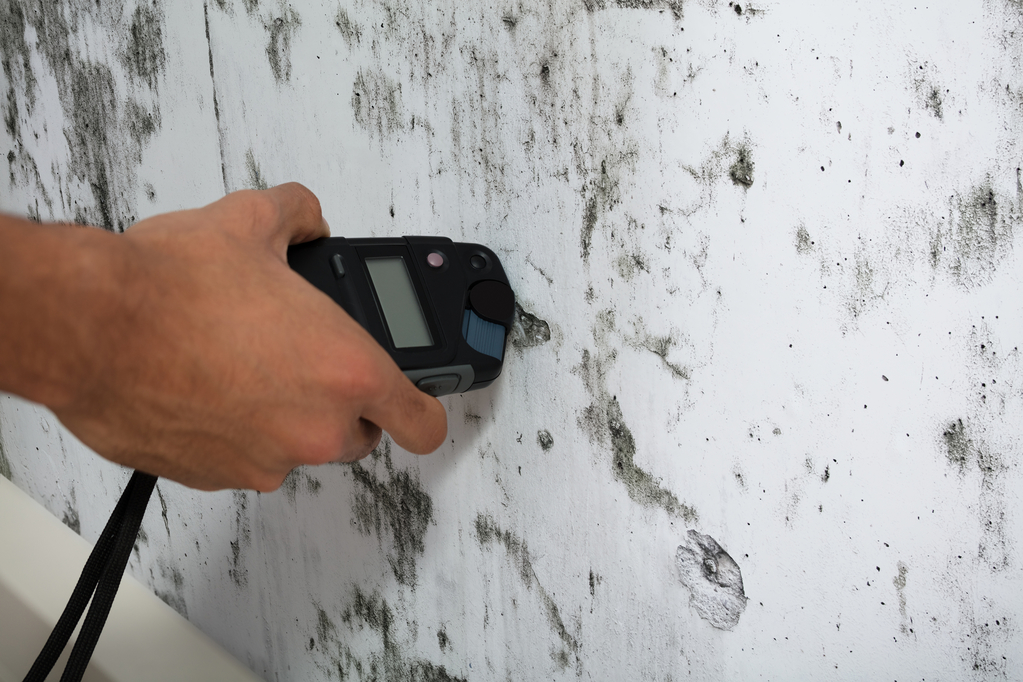
  1. Assessment & Testing:Conducting thorough inspections using specialized tools like moisture meters or infrared cameras.
  2. Containment:Similar methods as in mitigation are used here to prevent cross-contamination during cleanup.
  3. Mold Removal:Removing porous materials such as drywall or carpeting that cannot be cleaned effectively.
  4. Air Filtration:Using HEPA filters to trap airborne spores during remediation work.
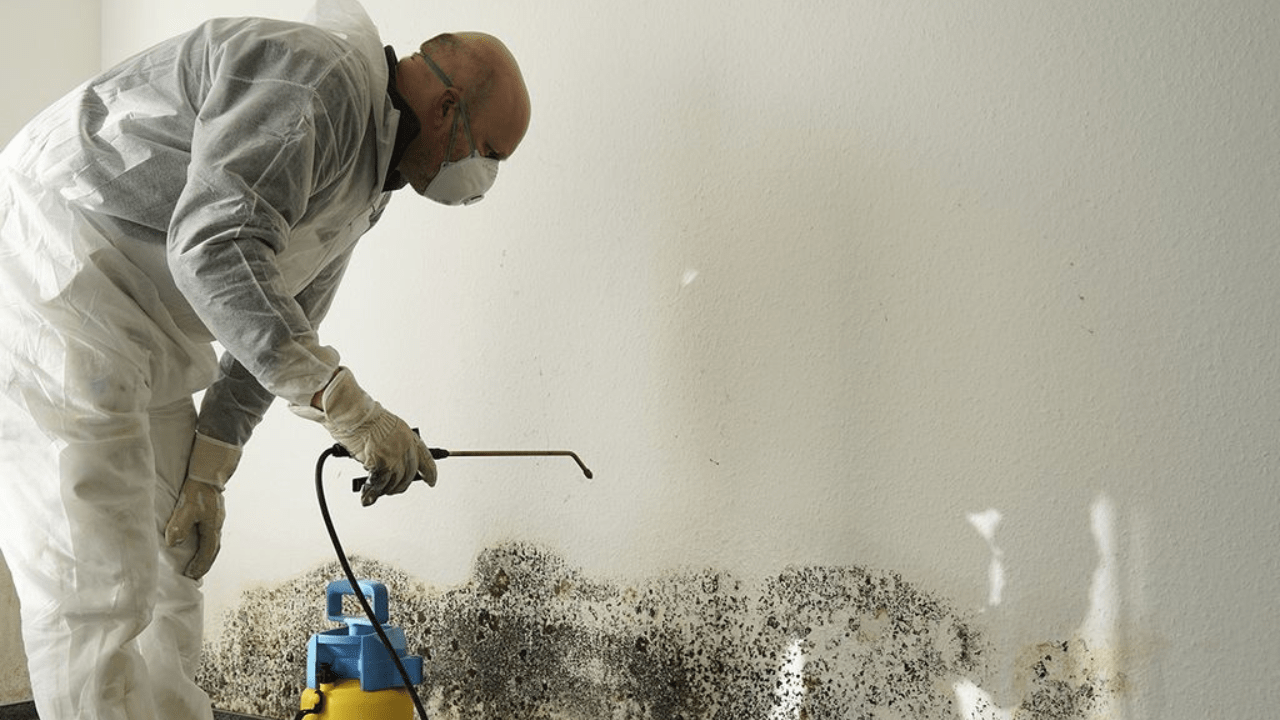
  5. Disinfection & Cleaning:Treating surfaces with antifungal products that eliminate remaining spores.
  6. Restoration:Rebuilding or replacing damaged sections like walls or flooring after cleanup is complete.

Remediation provides a long-term solution by addressing both visible damage and underlying causes such as poor ventilation or persistent leaks.

Key Differences Between Mold Mitigation and Remediation

Aspect Mold Mitigation Mold Remediation
Primary Focus Containment Complete removal and restoration
Goal Stop spreading Eliminate existing growth entirely
Duration Short-term solution Long-term resolution
Scope of Work Limited cleaning Comprehensive treatment

Why Does Understanding These Terms Matter?

  • For minor issues detected early (e. g. , surface-level growth), immediate mitigation may suffice temporarily until further steps are taken.
  • For more extensive infestations affecting structural components or indoor air quality significantly, professional remediation services are essential for safety.

Both processes serve crucial roles in combating household mold issues effectively—but only through proper assessment can one determine which approach is most appropriate for their needs over time.

By recognizing these distinctions clearly upfront homeowners stand better prepared safeguarding long-term health-value respective investments alike

Understanding Black Mold in Deltona FL: Causes, Dangers, and Effective Solutions

It plays an essential role in nature by breaking down organic material; however, when it invades indoor spaces, it poses significant risks to both health and structural integrity. Understanding mold’s causes, dangers, and how to address it can help protect your home and well-being.

Causes of Mold Growth

Mold requires specific conditions to grow indoors.

  • Moisture:Excessive humidity, leaks in plumbing or roofing, and condensation create the ideal environment for mold growth.
  • Poor Ventilation:Lack of airflow traps moisture indoors, especially in spaces such as basements, attics, and bathrooms.
  • Organic Material:Mold feeds on organic substances like wood, drywall, fabrics, insulation materials, and carpeting.
  • Flooding or Water Damage:Prolonged exposure to water creates the perfect breeding ground for mold colonies to flourish.

Addressing these root causes is key to preventing mold from spreading indoors.

Health Dangers Associated with Mold

Exposure to mold can lead to a variety of health issues depending on the extent of contamination and individual sensitivity levels.

  • Respiratory problems such as coughing or wheezing
  • Allergic reactions like sneezing or runny nose
  • Skin irritations or rashes
  • Eye irritation or redness
  • Aggravation of asthma symptoms for those with preexisting conditions

In severe cases where toxic molds (e. g.Stachybotrys chartarum

Effective Ways to Address Mold

If you suspect that mold exists in your home or property, taking swift action is critical.

  1. Inspect areas prone to leaks or water damage such as roofs, windowsills, pipes under sinks, and around appliances like dishwashers.
  2. Repair any visible water intrusion points immediately.
  3. Use dehumidifiers in damp areas like basements.
  4. Maintain indoor relative humidity levels below 50%. A hygrometer can help monitor this.
  5. For small patches (less than 10 square feet), clean using warm water mixed with detergent.
  6. Avoid using bleach unless directed by a professional as improper use can worsen air quality concerns.
  7. Wear protective gear such as gloves, goggles, and an N95 mask.
  8. Seal off unaffected areas using plastic sheeting during cleanup efforts.
  9. Seek Professional Help for Larger Issues
    If mold covers a large area (more than 10 square feet) or you suspect harmful types like black mold are present: | Reasons for Hiring Professionals | Services Provided | |————————————–|———————————-| | Extensive contamination | Containment | | Recurring moisture problems | Thorough removal & disinfection | | Potential health risks | Air quality testing | | Structural damage | Repairs & restoration |
  10. Regularly inspect your property for leaks or signs of dampness.
  11. Increase ventilation by opening windows and using exhaust fans where necessary.
  12. Install waterproofing solutions if needed in basements or other vulnerable areas.

By addressing the underlying sources of moisture alongside cleaning existing growth effectively—whether through DIY methods for minor occurrences or professional remediation services—you can restore both safety and comfort within your home environment while reducing potential risks posed by recurring contamination issues over time.

Comprehensive Mold Inspection Deltona FL: Causes, Dangers, and Effective Solutions

Mold is a common household problem that can pose serious risks to your property and health if not managed properly. To address mold effectively, it’s important to understand its causes, the potential dangers it presents, and the steps you can take to mitigate or remove it.

While not all molds are harmful, prolonged exposure to certain types can have severe consequences for your health and your home.

Causes of Mold Growth

  • Excess Humidity: High levels of indoor humidity (above 60%) create an ideal environment for mold growth.
  • Water Leaks: Leaking pipes, roofs, or appliances can lead to moisture accumulation.
  • Condensation: Temperature differences between indoor air and surfaces like windows can result in condensation that supports microbial growth.

Dangers of Mold Exposure

Mold poses risks both to human health and structural integrity.

Health Risks Property Risks
Allergic reactions Staining on walls, ceilings, carpets
Respiratory problems Damage to drywall and wooden structures
Asthma flare-ups Weakened foundations
Skin irritation Expensive repair costs

People with pre-existing respiratory conditions like asthma or a weakened immune system may experience more severe effects from mold exposure.

How to Address Mold Effectively

  1. Examine areas prone to dampness such as basements, bathrooms, kitchens, and attics.
  2. Use dehumidifiers where humidity levels remain high.
  3. For minor patches (less than 10 square feet), use soap or a vinegar-water solution with gloves worn for protection.
  4. Avoid mixing bleach with ammonia-based cleaners as this produces dangerous fumes.
  5. Porous materials such as drywall or carpet heavily infested with mold should be removed and replaced.
  6. For extensive infestations (more than 10 square feet) or toxic molds like black mold (Stachybotrys), hire certified professionals who use advanced equipment for remediation.

Preventive Measures

Proactively preventing future outbreaks is essential for maintaining safety: – Regularly inspect areas vulnerable to water damage. – Install proper insulation around windows and pipes prone to condensation formation. – Maintain HVAC systems by cleaning filters routinely.

By identifying the sources of moisture early on and implementing effective control measures alongside professional intervention when needed, you can protect both your health as well as preserve the value of your property over time.

Mold testing and cleanup - wrightway.com

Understanding Mold Testing Deltona FL: Mitigation vs.

When dealing with mold issues in your home or property, two terms often arise: mold mitigation and mold remediation. While these terms are sometimes used interchangeably, they refer to distinct processes with unique goals. Understanding the differences between the two can help you determine which approach is most appropriate for your situation. Below, we break down the key aspects of each process and how they relate to one another.

Mold mitigation focuses on preventing mold from spreading further throughout a property. It aims to control and contain the existing mold problem rather than eradicate it entirely. In many cases, mitigation is the first step taken when a mold issue is identified.

  • Containment:Setting up barriers, such as plastic sheeting or negative air pressure systems, to isolate affected areas.
  • Moisture Control:Addressing sources of excess moisture (e. g. , leaks or high humidity), as damp environments promote mold growth.
  • Air Filtration:Using HEPA filters to capture airborne mold spores and prevent them from contaminating other areas.
  • Temporary Solutions:Implementing short-term strategies to limit damage until a more comprehensive treatment can be completed.

Mitigation is particularly useful when immediate action is necessary to stop the problem from worsening but does not completely eliminate mold from the property.

Mold remediation, on the other hand, encompasses a broader scope of actions aimed at permanently removing mold growth and restoring affected areas to safe conditions. This process goes beyond containment, focusing on both removal and prevention of future occurrences.

  1. Assessment:Conducting an in-depth inspection to identify where mold has spread and evaluating the severity of contamination.
  2. Removal:Physically removing damaged materials (e. g. , drywall or flooring) that are infested with mold beyond repair.
  3. Cleaning:Deep-cleaning surfaces using antimicrobial treatments or specialized cleaning agents designed for safe mold removal.
  4. Repair & Restoration:Replacing damaged structural elements or materials to return spaces to their original condition.
  5. Prevention Measures:Applying treatments that inhibit future growth and addressing underlying issues like water infiltration.

Remediation ensures not only that existing colonies are eliminated but also that steps are taken to reduce recurrence risks over time.

Comparing Mold Mitigation vs.

Aspect Mold Mitigation Mold Remediation
Primary Goal Control & contain Eliminate & restore
Scope Focused on immediate containment Comprehensive treatment
Timeframe Short-term solution Long-term resolution
Includes Cleaning? No Yes
Prevents Future Growth? Limited Yes

Which Approach Do You Need?

  • If you have minor surface-level growth or need urgent action while awaiting professional services, mitigation may suffice temporarily.
  • For significant infestations that have spread into structural components or pose health risks, opt for full-scale remediation by qualified professionals.

Ultimately, consulting an experienced specialist can help you evaluate your specific needs and ensure effective management of any indoor mold concerns.

Top Signs You Need Professional Mold Removal Deltona FL Services

Mold can be a significant issue for both your health and property. While some cases of mold can be handled with basic cleaning methods, others require professional remediation to ensure complete and safe removal. Knowing how to identify when professional intervention is necessary is crucial in safeguarding your home, workplace, and well-being.

Effective Solutions from a Mold Removal Company Deltona FL for Common Mold Issues

  • Persistent Musty Odor
    Even if mold isn’t visible, a persistent earthy or musty smell in your home can indicate hidden growth. This odor is often strongest in closed spaces such as basements, attics, or under flooring.
  • Visible Growth
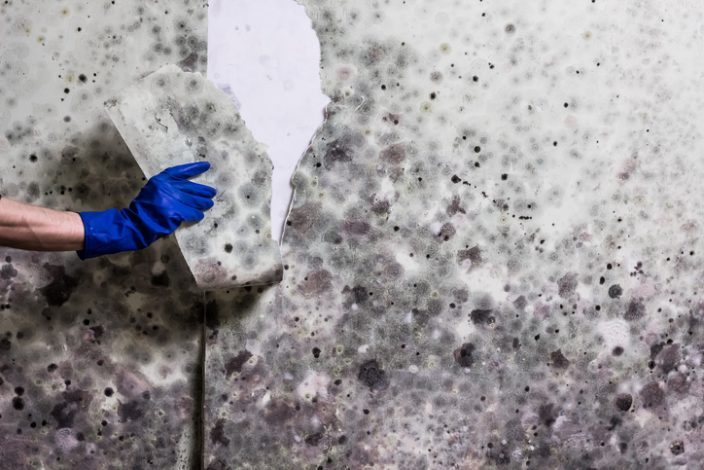
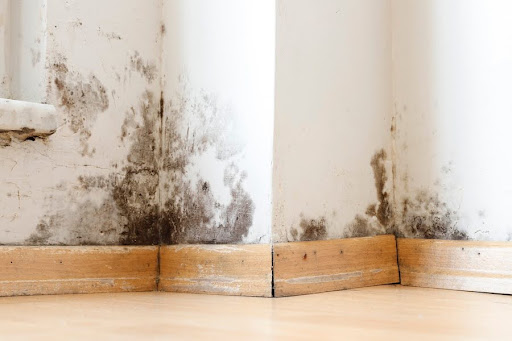
    Mold often appears as patches that are black, green, white, or gray. If you notice any discoloration on walls, ceilings, floors, or furniture that continues to spread despite cleaning attempts, it’s time to contact a professional.
  • Health Symptoms
    Frequent allergic reactions such as sneezing, coughing, itchy skin, watery eyes, and respiratory issues in healthy individuals could signal mold exposure. Those with asthma or weakened immune systems may experience more severe symptoms.
  • Water Damage History
    If your home has experienced flooding or water leaks recently or in the past—especially if repairs were delayed—there’s a higher likelihood of mold growth within walls or under floors.
  • Peeling Paint or Wallpaper
    Bubbling paint and peeling wallpaper are often signs of excessive moisture buildup. This creates an ideal environment for mold to thrive.

Less Obvious Indicators Requiring Investigation

Sometimes signs of mold infestation can be subtle or hidden from plain view.

  1. Unexplained Humidity Levels: Excess humidity indoors (above 60%) creates conditions favorable for mold colonies to form.
  2. Warped Wood/Structural Damage: Warping floors or bowing wood beams may point to prolonged moisture exposure and subsequent fungal growth.
  3. HVAC Systems Spreading Mold Spores: If your heating and cooling systems seem to exacerbate odors or health problems when running, they could be distributing spores throughout your home.

When DIY Methods Fall Short

  • Larger infestations (greater than 10 square feet) require expert evaluation.
  • Mold found on porous materials like drywall may penetrate deeper than the surface layer and become difficult to remove entirely without specialized tools.
  • DIY methods can unintentionally worsen the issue by releasing more spores into the air during improper cleaning efforts.

Why Professional Remediation Matters

Professionals use advanced techniques and equipment like HEPA filtration systems and air scrubbers to eliminate active colonies while preventing cross-contamination with other areas of your property. They also identify underlying causes—such as plumbing leaks—to prevent recurrence.

Problem Area Associated Risk Recommended Action
Hidden wall cavities Unnoticed structural damage Professional inspection
HVAC contamination Circulation of harmful airborne spores HVAC cleaning/remediation
Black/green toxic molds Severe health implications Immediate expert intervention

Taking early action at the first sign of potential issues not only protects your health but also helps preserve property value by preventing significant damage caused by unchecked mold proliferation.

Expert Guidance on Mold Removal: Steps to Restore a Safe and Healthy Living Environment

Mold removal is an essential process for maintaining a safe, healthy, and comfortable living environment. Mold thrives in moist environments and can lead to structural damage as well as health issues like respiratory problems, allergies, and even more severe conditions if left untreated. Proper mold removal involves a systematic approach to ensure the issue is fully addressed. Below are the expert-recommended steps for effective mold removal.

Step 1: Identify the Source of Moisture

Mold cannot grow without moisture. Before starting any remediation effort, you must locate and address the source of moisture.

  • Leaking pipes or fixtures
  • Roof leaks
  • Flooding or water damage
  • High indoor humidity levels
  • Condensation on windows or walls

Solving moisture issues at their source helps prevent the recurrence of mold after removal.

Step 2: Assess the Scope of Mold Growth

Once you’ve identified the moisture source, assess how extensive the mold problem is. Look for visible signs such as black or green spots on walls, ceilings, or floors. Don’t forget less visible areas like behind furniture, inside ventilation ducts, or under carpets.

Key tools for mold assessment: | Tool | Use | |——————————|————————————————| | Moisture meter | Detects hidden moisture inside materials | | Thermal imaging camera | Identifies temperature variations caused by dampness | | Air quality testing kits | Measures mold spores in indoor air |

For significant infestations that span large areas (greater than 10 square feet), it’s advisable to involve professionals who have specialized equipment and expertise.

Step 3: Contain the Area

  • Sealing doors and vents with plastic sheeting
  • Using negative air pressure machines to filter air outwards
  • Wearing protective clothing to avoid tracking spores elsewhere

This step is especially important if you’re tackling significant infestations in sensitive environments like homes with children or immune-compromised individuals.

Step 4: Remove Contaminated Materials

Porous materials like drywall, carpet, and insulation that have been heavily contaminated with mold often need complete removal since cleaning them thoroughly may be difficult.

Steps involved: 1. Carefully remove damaged materials and place them in sealed bags. 2. Dispose of these bags according to local hazardous waste guidelines. 3. Clean surrounding surfaces to eliminate any residual contamination.

For nonporous surfaces (e. g. , glass or metal), thorough scrubbing with detergent followed by disinfection is typically sufficient.

Step 5: Clean & Disinfect Affected Areas

After removing contaminated materials: – Vacuum all surfaces using a HEPA vacuum cleaner designed to capture fine particles. – Wash hard surfaces with soap and water. – Apply an EPA-approved fungicide or antimicrobial solution to kill remaining mold spores.

Allow time for treated areas to dry completely before proceeding further.

Step 6: Restore Damaged Areas

Once cleanup is complete: 1. Replace any removed materials (e. g. , drywall or insulation). 2. Repaint cleaned walls using mold-resistant paint for added protection. 3. Seal potential entry points for moisture such as cracks around windows or doors.

This step restores your property while reducing future risks of recurrence.

Prevention Tips Post-Mold Removal

To keep your space free from future outbreaks: – Keep indoor humidity between 30–50%using dehumidifiers if necessary. – Regularly inspect your home for leaks or water damage.

By following these steps with diligence—or hiring professional remediation experts when necessary—you can restore your home’s safety while protecting its occupants’ well-being long-term.

Your Guide to a Mold Inspection [+ Cost]

The Importance of Professional Mold Remediation Services for Long-Term Solutions

Mold growth in homes and buildings is more than just a cosmetic issue—it poses serious risks to both health and property. While some homeowners may be tempted to tackle mold removal on their own, professional mold remediation services offer long-term solutions that go beyond surface cleaning. Here’s why hiring certified experts is crucial for addressing mold problems effectively and sustaining a safe living environment.

Why Professional Mold Remediation Matters

  1. Thorough Assessment of the Problem
    Professionals begin by conducting a comprehensive inspection to determine the extent of mold growth and identify its root cause. Mold often hides in hard-to-reach places such as behind walls, under floors, or in HVAC systems, which can go unnoticed with DIY methods.
  2. Expertise in Handling Different Types of Mold
    Not all molds are the same—some types, like black mold (Stachybotrys chartarum), are particularly hazardous. Experts are trained to identify different species of mold and apply techniques tailored to address each type safely and effectively.
  3. Minimizing Health Risks
    DIY attempts at removing mold can release spores into the air, increasing exposure to allergens or mycotoxins that may exacerbate respiratory conditions or trigger allergic reactions. Professional remediation includes containment measures such as sealing off affected areas to prevent cross-contamination during cleanup.

Key Benefits of Professional Services

  • Advanced Equipment and Techniques:
  • Preventative Measures:
    Beyond simply removing visible colonies, experts address underlying issues like water damage or ventilation problems that could lead to future outbreaks.
  • Compliance with Industry Standards:
    Certified remediation specialists follow guidelines set by organizations such as the Environmental Protection Agency (EPA) or the Institute of Inspection Cleaning and Restoration Certification (IICRC). This ensures ethical practices and effective cleanup methods.

Comparing DIY vs.

Aspect DIY Approach Professional Services
Cost Initially low but may lead to recurring costs Higher upfront but cost-effective long-term
Scope Limited; often addresses only visible issues Comprehensive; includes hidden areas
Risk of Cross-Contamination High Minimal due to proper containment protocols
Long-Term Effectiveness Inconsistent Reliable due to thorough remediation

Long-Term Solutions for Health & Property Protection

One of the most significant advantages of professional services is their focus on long-term prevention strategies.

  • Identifying existing moisture sources (e. g. , leaks or poor drainage).
  • Improving ventilation systems in high-humidity areas such as bathrooms or basements.
  • Educating homeowners on best practices for reducing indoor humidity levels (e. g. , using dehumidifiers).

By addressing these factors alongside removing existing mold colonies, professionals ensure that your home remains free from recurrent infestations.

Hiring professional mold remediation services is an investment in your health, safety, and property value. Their expertise provides peace of mind while ensuring your living space remains a healthy environment over time.

Addressing Mold Issues Quickly: Why Immediate Action is Crucial for Health and Safety

Mold growth inside a property is more than just an aesthetic issue—it can pose serious health risks and compromise the structural integrity of your home or workplace. Acting quickly to address mold issues is vital in preventing further contamination, reducing health hazards, and minimizing expensive repairs. Below, we outline why immediate action is essential and how it benefits both your health and property.

The Health Risks of Mold Exposure

Mold produces allergens, irritants, and potentially toxic substances called mycotoxins. Prolonged exposure to mold can lead to various health problems ranging from mild irritations to severe respiratory conditions.

  • Respiratory Symptoms: Wheezing, coughing, nasal congestion, and throat irritation.
  • Allergic Reactions: Sneezing, itchy eyes, skin rashes.
  • Asthma Complications: Increased frequency or severity of asthma attacks.
  • Immune System Impact: Prolonged exposure can weaken immune responses.

Individuals with existing respiratory conditions, allergies, or weakened immune systems are particularly vulnerable to mold’s effects. Children and the elderly are also at higher risk of developing adverse reactions.

How Mold Affects Your Property

When mold begins to grow indoors, it not only damages the materials on which it thrives but also spreads rapidly under the right conditions (moisture and warmth).

Material/Area Affected Common Impact of Mold Growth
Drywall Discoloration, weakening structure
Carpets Trapped spores leading to persistent odors
Wood Rotting that compromises strength
HVAC Systems Spread of spores through air circulation

Ignoring a small patch of mold might result in widespread contamination over time. This can lead to costly repairs as materials may need replacing rather than simple cleaning.

Reasons Why Immediate Action Matters

  1. Prevents Further Spread
    Mold spores are airborne and can travel quickly throughout a building. Promptly removing visible mold stops it from spreading into ducts, furniture, walls, or other areas.
  2. Minimizes Health Complications
    Early intervention reduces prolonged exposure to harmful mold particles—ensuring better indoor air quality for occupants.
  3. Reduces Financial Costs
    Catching a mold problem in its early stages is much less expensive than addressing extensive damage later on (e. g. , replacing drywall vs gutting entire sections).
  4. Preserves Property Value
    Properties with visible signs of mold often face reduced market value during sales or rentals due to potential buyers’ concerns about health risks or necessary remediation costs.

Steps to Take Immediately When Mold Is Detected

  1. Fix plumbing leaks
  2. Dehumidify damp areas
  3. Improve ventilation
  4. Isolate the Area:
    Prevent further spread by sealing off affected zones using plastic sheeting or closing doors/windows nearby.
  5. Contact Professionals: Engage certified mold remediation experts who utilize advanced tools like HEPA vacuums, antimicrobial treatments, and moisture meters for effective cleanup.
  6. Avoid DIY Solutions for Large Infestations: While minor surface growth might be addressed with household cleaners (e. g. , vinegar solutions), larger infestations require professional-grade methods for safety.

Acting swiftly when confronted with a potential mold issue protects both your health and investments in the long term—ensuring peace of mind that your environment remains safe and habitable.


How a Mold Inspection Deltona FL Can Protect Your Health from Black Mold

Metro Atlanta GA Mold Inspection: Certified & Free

Black mold, scientifically known as Stachybotrys chartarum, poses significant health risks when it grows indoors. The danger stems from the toxic substances it produces, such as mycotoxins, which can negatively impact the human respiratory system and overall well-being. Understanding why black mold is harmful is key to preventing its effects on your health.

Mycotoxins: The Hidden Threat

Black mold releases microscopic spores into the air, which can carry mycotoxins.

  • Respiratory Problems: Irritation of the nose, throat, and lungs can occur, potentially causing chronic coughing or wheezing.
  • Allergic Reactions: Symptoms like sneezing, skin rashes, or watery eyes are common in individuals sensitive to mold.
  • Asthma Complications: People with asthma may experience more frequent attacks or worsening symptoms when exposed to black mold.
  • Chronic Fatigue and Headaches: Exposure over time has been linked to headaches and general feelings of fatigue.

Vulnerable Populations

  1. Infants and Young Children– Their developing immune systems make them particularly vulnerable.
  2. Elderly Individuals– Aging often weakens the immune system, increasing sensitivity to mold toxins.
  3. People with Pre-existing Respiratory Conditions– Those with asthma or chronic obstructive pulmonary disease (COPD) are at heightened risk.
  4. Immunocompromised Individuals– Those undergoing chemotherapy or living with autoimmune diseases may suffer more severe effects.

Long-Term Health Risks

  • Chronic inflammatory response syndrome (CIRS)
  • Neurological issues like memory loss and difficulty concentrating
  • Severe respiratory illnesses

Comparing Black Mold to Other Household Molds

Feature Black Mold (Stachybotrys chartarum) Other Common Molds (e.g., Cladosporium)
Color Dark green or black Varies (white, green, yellow)
Toxin Production Produces dangerous mycotoxins Often less toxic
Growth Conditions Prefers damp areas and cellulose Thrives in various conditions
Associated Health Risks Severe respiratory and neurological concerns Typically mild allergic reactions

Preventative Measures for Protecting Health

  • Maintain indoor humidity levels below 50%.
  • Regularly inspect areas prone to moisture buildup (e. g. , bathrooms).
  • Repair leaks in roofs and pipes promptly.
  • Use dehumidifiers in damp spaces like basements.

By recognizing the potential health dangers posed by black mold and taking proactive steps toward prevention, you can limit its impact on you and your family’s well-being.

Understanding How Mold Removal Deltona FL Can Prevent Black Mold Growth in Homes

Understanding how black mold grows and spreads is essential for effective prevention and remediation. Black mold (Stachybotrys chartarum) thrives in particular environmental conditions, making some homes more susceptible than others. Below, we’ll explore the factors that contribute to its growth, the ways it spreads, and what you can do to minimize risk.

Understanding Mold Testing in Deltona FL and What Causes Black Mold Growth

Black mold requires specific conditions to grow.

  • Moisture: Excessive moisture is the primary factor that allows black mold to thrive.
  • Leaking pipes
  • Roof leaks
  • Flooding incidents
  • High indoor humidity levels (above 60%)
  • Organic Material: Black mold feeds on materials like drywall, wood, carpet, or insulation. Any porous material that retains moisture can become a breeding ground.
  • Darkness: Mold tends to grow in dark or poorly lit areas since direct sunlight inhibits its development.
  • Warmth: Temperatures between 70–90°F (21–32°C) are ideal for black mold growth.

How a Mold Removal Company Deltona FL Can Help Prevent Black Mold Spread

Once established, black mold spreads through spores released into the air. These microscopic spores are lightweight and easily travel throughout your home via air currents or HVAC systems.

  1. Airborne Spores: Spores settle on damp surfaces where they can begin a new colony.
  2. Water Flow: In cases of flooding or leaks, water can transfer spores from one area of your home to another.
  3. Contact with Contaminated Materials: Furniture, clothing, or other objects carrying spores can spread contamination when moved around.

Common Areas Where Black Mold Grows

Area Why It’s Vulnerable
Bathrooms High humidity from showers and poor ventilation
Basements Susceptible to flooding and condensation
Kitchens Leaks under sinks or around appliances
Attics Roof leaks and limited air circulation
HVAC Systems Moisture accumulation in ducts

Tips for Preventing Mold Growth

Preventing black mold requires controlling the conditions that allow it to thrive.

  • Fix plumbing leaks promptly.
  • Use a dehumidifier in humid environments.
  • Increase ventilation by using exhaust fans in bathrooms and kitchens.
  • Regularly inspect areas prone to water damage (e. g. , basements, attics).
  • Clean gutters frequently to prevent roof leaks.
  • Dispose of wet materials immediately after flooding.

Summary Table: Key Prevention Strategies

Problem Solution
High indoor humidity Use dehumidifiers
Poor ventilation Install exhaust fans
Plumbing or roof leaks Address issues promptly
Water-damaged items Remove/dry within 24–48 hours

By understanding how black mold grows and spreads in homes, you’ll be better equipped to identify potential risks early on and take steps toward preventing serious infestations. Quick action is key when dealing with moisture problems since even a small amount of water can lead to significant growth over time.

Effective Mold Remediation Deltona FL: Common Areas Where Black Mold Grows in Your Home

Black mold thrives in areas where moisture, warmth, and organic materials are present. Understanding the common locations where black mold can grow within your home is crucial for prevention, early detection, and prompt remediation. Below are the typical areas you should inspect regularly to ensure your home remains mold-free.

High-Risk Areas for Black Mold

  1. Why it’s a problem:Bathrooms are typically warm and humid due to frequent water usage, making them an ideal environment for black mold growth.
  2. Where to check:
    • Around sinks, bathtubs, and showers (especially in grout lines).
    • Behind or under toilets where leaks may occur.
    • Inside bathroom cabinets if pipes or fittings drip.
  3. Prevention tips:Ensure proper ventilation by using exhaust fans or opening windows after bathing or showering.
  4. Why it’s a problem:Kitchens also experience high levels of moisture from dishwashing, cooking, and potential water leaks. Spills of organic materials like food can further promote growth.
  5. Where to check:
    • Under sinks where plumbing leaks might occur.
    • Behind refrigerators due to condensation buildup on coils.
    • Around dishwashers or any appliances connected to water lines.
  6. Prevention tips:Address leaks promptly and wipe down damp surfaces regularly.
  7. Why it’s a problem:These areas are prone to dampness due to poor ventilation, groundwater seepage, or flooding events. They also tend to be cooler with minimal sunlight exposure—conditions that allow mold colonies to thrive undisturbed.
  8. Where to check:
    • Walls and floors made of porous materials (e. g. , concrete).
    • Around sump pumps or along foundation cracks where water intrusion may occur.
  9. Prevention tips:Utilize dehumidifiers and seal cracks in walls or floors.
  10. Why it’s a problem:Poor ventilation combined with roof leaks can create pockets of trapped moisture in attics—perfect conditions for black mold growth over time.
  11. Where to check:
    • Near roof valleys or flashing if there are signs of leakage from rainwater.
    • On insulation materials that may absorb moisture.
    • Around HVAC systems housed in the attic space.
  12. Prevention tips:Regularly inspect your roof for damage and maintain proper attic ventilation.
  13. Laundry Rooms
    Laundry rooms often combine two significant risk factors: heat and humidity generated by washers and dryers as well as occasional spills from detergents or fabric softeners that provide nutrients for mold spores.
  14. Check around hoses connecting washing machines as well as surrounding walls/flooring exposed during appliance use cycles.

Vulnerable Materials That Promote Growth

Material Risk Level Examples Prevention Methods
Wood/wood-based items High Furniture legs; wooden structures Use water-resistant finishes
Drywall/plaster Moderate Wall panels near kitchens/bathrooms Apply anti-mold treatments/coatings
Upholstery/Fabrics Moderate–High Carpets; curtains close proximity spills etc

Here's What You Need to Do After Your Mold Remediation | GLE

Health Risks of Black Mold Deltona FL: Understanding Mycotoxin and Endotoxin Exposure

Exposure to black mold is not just a structural problem for your home but also a significant health hazard. Black mold (Stachybotrys chartarum) releases harmful substances known as mycotoxins and endotoxins, which can have adverse effects on human health. Understanding these risks can help you take the necessary steps to protect yourself and your household.

What Are Mycotoxins and Endotoxins?

  • Mycotoxins: These are toxic compounds produced by certain types of mold, including black mold. They are released into the air and can contaminate surfaces, food, and even water in areas affected by mold.
  • Endotoxins: These toxins are part of the outer membrane of certain bacterial cells that may thrive in damp environments where mold grows. When released into the air or absorbed through contact, they can contribute to respiratory irritation.

Health Risks Associated with Mycotoxin Exposure

Mycotoxins can affect people differently depending on factors such as pre-existing health conditions, age, or level of exposure.

  1. Chronic coughing
  2. Wheezing
  3. Shortness of breath
  4. Rashes
  5. Itching
  6. Headaches
  7. Fatigue
  8. Difficulty concentrating (often referred to as “brain fog”)
  9. Increased susceptibility to infections due to compromised immunity

Health Risks Associated with Endotoxin Exposure

Endotoxins are often airborne in homes with extensive water damage or moisture problems.

  • Inflammation in lung tissues
  • Triggering asthma attacks in sensitive individuals
  • Allergic reactions such as runny nose or itchy eyes

Groups at Higher Risk for Mold-Related Illnesses

Group Risks
Infants and Children Developing respiratory systems make them more prone to irritation
Elderly Individuals Weakened immune systems increase susceptibility
Immunocompromised Higher risk of severe infection
Asthma/Allergy Sufferers Greater likelihood of experiencing heightened symptoms

Preventing Exposure to Mycotoxins and Endotoxins

  • Keep indoor humidity levels below 50% using dehumidifiers or ventilation.
  • Address leaks or water damage immediately.
  • Regularly clean areas prone to dampness such as bathrooms and basements.
  • Use an air purifier equipped with HEPA filters to reduce airborne toxins.

By understanding how mycotoxin and endotoxin exposure impacts health, you can take informed steps toward creating a safer living environment for yourself and your family.

The Importance of Professional Testing for Effective Mold Removal

When it comes to black mold, professional testing plays a critical role in ensuring the safety and health of your home or workplace. While some homeowners may attempt to address mold issues on their own, relying on professional testing is essential to accurately identify the extent of the problem and determine the best course of action for remediation.

Why Is Professional Mold Testing Necessary?

Professional mold testing provides accurate and detailed information about the type and concentration of mold present in your property.Stachybotrys chartarum), can pose significant health hazards.

  • Precise Identification: Trained professionals use advanced equipment to identify specific types of mold.
  • Health Risk Assessment: Testing helps gauge potential exposure risks to toxic substances like mycotoxins.
  • Extent of Contamination: Professionals can determine how widespread the problem is, including hidden areas that may not be visible.
  • Targeted Remediation Plans: Accurate results allow for tailored solutions that address the root cause effectively.

DIY Testing vs.

Many homeowners consider using over-the-counter mold test kits due to their affordability and ease of use. While these kits may provide basic information, they lack the depth and accuracy offered by professional services.

Factor DIY Test Kits Professional Testing
Accuracy Limited High
Detection of Hidden Mold Rare Yes
Identification of Specific Type Sometimes unreliable Precise
Expert Analysis No Yes

For serious issues or suspected black mold, relying on DIY kits alone can lead to incomplete or incorrect results.

The Process of Professional Mold Testing

  1. Visual Inspection: Experts will look for visible signs of mold growth and water damage.
  2. Air Sampling: Airborne spores are collected from different areas using specialized equipment.
  3. Surface Sampling: Samples are taken from walls, floors, or other surfaces showing signs of contamination.
  4. Lab Analysis: Collected samples undergo laboratory analysis to identify specific mold species and concentrations.
  5. Detailed Reporting: A comprehensive report is provided with findings and recommendations for remediation.

Benefits of Hiring Professionals for Mold Testing

  • Eliminates guesswork in identifying safe levels versus hazardous conditions.
  • Reduces risks associated with improper handling during DIY attempts.
  • Provides legally admissible documentation when required (e. g. , in property disputes).
  • Ensures peace of mind by confirming that your indoor environment is safe post-remediation.

Choosing a Reliable Mold Testing Service

  • Certification by recognized organizations such as the Indoor Air Quality Association (IAQA).
  • Reviews and recommendations from previous clients.
  • Experience dealing with black mold specifically.
  • Use of modern techniques such as infrared thermography for detecting hidden moisture sources.

By prioritizing professional testing as part of your mold remediation plan, you ensure that efforts are focused effectively on eliminating harmful contaminants while protecting both property value and occupant health.

How to Remove Dangerous Black Mold Safely and Effectively

When dealing with black mold, safety and effectiveness are key to ensuring both the removal of the mold and the prevention of future growth. Black mold, often caused by high moisture levels, requires a systematic approach for proper eradication. Below is a step-by-step guide to safely and effectively remove dangerous black mold.

Step 1: Prioritize Safety Precautions

Before beginning any removal process, it’s essential to protect yourself from exposure to mold spores, which can be harmful when inhaled or come in contact with your skin.

  • Wear personal protective equipment (PPE):Use gloves, goggles, and a NIOSH-approved respirator or mask (like an N95 mask) to minimize exposure.
  • Ensure proper ventilation:Open windows and doors in the affected area. If possible, use exhaust fans to direct airflow outdoors.
  • Seal off contaminated areas:Prevent spores from spreading by sealing off vents or other openings with plastic sheeting and tape.

Step 2: Identify the Extent of Mold Contamination

Before proceeding with cleanup, assess how widespread the problem is. Small infestations (less than 10 square feet) can typically be handled by homeowners, but larger areas may require professional intervention.

A simple checklist for identifying contamination:
– Is there visible black or dark green mold growth?
– Do you detect a musty odor in specific rooms?
– Are there water-damaged materials like drywall or carpet?

Areas exceeding 10 square feet should be addressed by certified mold remediation professionals.

Step 3: Use Effective Cleaning Solutions

For small infestations that you can manage safely on your own, select an appropriate cleaning method based on the surface type.

Surface Type Recommended Cleaning Solution Notes
Non-porous surfaces A mixture of bleach (1 cup) and water (1 gallon) or commercial EPA-approved cleaners Avoid mixing bleach with ammonia or other chemicals.
Porous materials Replace items like drywall and insulation if heavily infested Cleaning porous items may not remove spores entirely.
Wood surfaces Vinegar solution or special antimicrobials for wood Dry immediately after cleaning to prevent further damage.

Important:Never dry-scrub black mold as this will release spores into the air.

Step 4: Remove Contaminated Materials

  • Carefully bag contaminated materials in heavy-duty plastic bags before removing them from your home.
  • Dispose of these items per local waste management guidelines.
  • Vacuum remaining residues using a HEPA vacuum cleaner specially designed for trapping fine particles such as mold spores.

Step 5: Eliminate Moisture Sources

  1. Fix leaks in roofs, walls, windowsills, pipes, or HVAC systems promptly.
  2. Ensure proper drainage around your home’s foundation.
  3. Invest in dehumidifiers if humidity levels exceed 50%.
  4. Improve airflow using fans and regularly open windows where possible.

Maintaining low indoor humidity (between 30%-50%) is crucial for preventing future outbreaks.

Step 6: Monitor Areas Post-Cleanup

  • Perform regular inspections of previously affected spaces.
  • Consider purchasing air quality monitors that can detect elevated spore levels.
  • If you notice recurrence despite following these steps carefully, consult licensed professionals immediately.

By following these outlined steps methodically while prioritizing safety measures at every stage of the process, you can effectively eliminate dangerous black mold from your home without causing harm to yourself or others living within it.


6 Effective Mold Remediation Deltona FL: Identifying Harmful Mold in Your Home

The Truth About Mold Inspection Pricing: What You Need to Know - SpreadX Mold Specialists

Mold is a common household issue that can pose significant health risks if left unchecked. While not all molds are harmful, certain types can cause allergies, respiratory problems, and other health complications. Understanding the types of mold that might be present in your home and identifying them correctly are the first steps toward effective remediation. Below is a guide to six common harmful molds that may be lurking in your space.

1. Stachybotrys Chartarum (Black Mold)

  • Appearance: Black or dark green with a slimy texture.
  • Where It Thrives: High-moisture areas like bathrooms, basements, or spaces with water damage.
  • Respiratory problems
  • Chronic coughing
  • Fatigue
  • A strong musty odor
  • Visible black patches on drywall, wood, or ceilings

2. Aspergillus

  • Appearance: Often appears as yellow-green or brown spots with white edges.
  • Where It Thrives: Damp walls, insulation materials, or HVAC systems.
  • Allergic reactions (sneezing, itchy eyes)
  • Asthma attacks
  • In extreme cases, lung infections (aspergillosis)
  • Found in areas prone to dampness and poor ventilation
  • May appear powdery upon close inspection

3. Cladosporium

  • Appearance: Olive-green to black with a velvety texture.
  • Where It Thrives: Carpets, curtains, wooden surfaces, and HVAC ducts.
  • Skin irritation
  • Respiratory discomfort
  • Frequently found in fabric-based materials like upholstery
  • Spreads quickly on damp surfaces

Table: Quick Reference Guide for Mold Identification

Type of Mold Common Appearance Preferred Habitat Health Concerns
Stachybotrys Chartarum Black/dark green slime Water-damaged areas Respiratory issues
Aspergillus Yellow-green/brown Damp walls/HVAC systems Allergies & potential lung infections
Cladosporium Olive-green/black Carpets & wooden surfaces Skin irritation & respiratory issues

4. Penicillium

  • Appearance: Blue-green with a fuzzy texture.
  • Where It Thrives: Water-damaged furniture and wallpaper; sometimes found on food.
  • Health Risks:
    • Sinus congestion
    • Inflammation of the lungs
    • Headaches
  • How to Identify:
    • Grows rapidly on damp organic materials such as paper or fabric

5. Alternaria

  • Appearance: Dark green or brown hairy mold.
  • Where It Thrives: Bathrooms, showers, under sinks—any areas exposed to consistent moisture.
  • Health Risks:
    • Triggers asthma symptoms
    • Can exacerbate preexisting respiratory conditions
    • Eye irritation
  • How to Identify:
    • Frequently found near leaky plumbing or windowsills

6. Fusarium

  • Appearance: White-pinkish mold that may develop red hues over time.
  • Where It Thrives: Cooler areas such as basements; also seen on water-damaged carpets or wallpaper glue.
  • Health Risks
    • Allergies (sneezing + watery eyes)
  • Prolonged exposure—potential airborne infection risks esp-dangerous for immunocompromised

Steps for Safe and Effective Mold Removal Deltona FL Homeowners Should Know

Mold growth in your home can pose significant health risks, especially if the mold is of the toxic variety, such as black mold (Stachybotrys chartarum). Acting promptly when you suspect mold contamination is critical to maintaining a safe and healthy environment. Below are steps to identify potential mold problems and ensure its safe removal.

How to Identify Signs of Toxic Mold with a Mold Inspection Deltona FL

  • Musty Odor: A persistent damp or earthy smell, particularly in basements or bathrooms.
  • Visible Growth: Black, green, white, or yellow patches on walls, ceilings, floors, or furniture.
  • Water Damage: Stains or discoloration caused by leaks or flooding often lead to mold growth.
  • Health Symptoms: Unexplained respiratory problems such as coughing, sneezing, irritated eyes, headaches, or skin rashes may indicate exposure to toxic molds.

Essential Steps for Mold Testing Deltona FL Safely

  1. Check areas prone to moisture like bathrooms, kitchens, basements, attics, and around plumbing fixtures.
  2. Look behind furniture and under carpets for hidden mold growth.
  3. Home test kits can detect airborne spores but may lack accuracy compared to professional assessments.
  4. Certified mold inspectors use advanced tools such as infrared cameras and air-quality testing equipment to locate hidden molds effectively.

Essential Safety Tips from a Mold Removal Company in Deltona FL

  • Gloves (non-porous materials like rubber).
  • N95 respirator masks.
  • Protective eyewear.
  • Long sleeves and pants that can be washed immediately after use.
  • Use plastic sheeting and duct tape to isolate contaminated spaces from clean areas during cleaning.

Step-by-Step Guide for Safe Mold Removal

  1. Mix one cup of bleach with one gallon of water.
  2. Alternatively, use an EPA-approved mold remover labeled safe for residential use.
  3. Use a stiff-bristle brush for scrubbing small areas where mold is visible.
  4. Wipe down surfaces with clean water after applying cleaning agents.
  5. Ensure proper ventilation with fans or dehumidifiers post-cleaning.
Material Recommendation
Drywall Remove and replace affected sections.
Carpet Discard severely contaminated pieces.
Upholstery Consider professional cleaning services.

When Should You Call Professionals?

  • The affected area exceeds 10 square feet (as per EPA guidelines).
  • Mold is located within HVAC systems.
  • There’s extensive damage involving porous materials like structural wood beams or insulation.
  • You’re dealing with black mold (toxic) without proper protective equipment.

Preventing Future Growth Post-Cleaning

  1. Address sources of moisture by repairing leaks promptly.
  2. Improve ventilation in high-humidity areas using exhaust fans or dehumidifiers.
  3. Regularly inspect vulnerable zones for early signs of recurrence.

By following these steps methodically while prioritizing safety protocols throughout the process, you can minimize health risks posed by toxic molds effectively and restore peace of mind within your living space.

Mold Inspection Cost: What Homeowners Need to Know

How to Prevent Mold Growth and Tackle Hidden Mold in Your Home

Preventing mold growth in your home is essential for maintaining a healthy living environment. Mold thrives in areas with excess moisture, poor ventilation, and organic material to feed on. Addressing both visible and hidden mold is key to keeping your household safe from potential health risks. Below, we’ll explore actionable strategies to prevent mold growth and identify hidden mold problems.

Tips for Preventing Mold Growth

  1. Maintain indoor humidity levels between 30% and 50%.
  2. Use a dehumidifier in damp areas such as basements or laundry rooms.
  3. Monitor humidity regularly using a hygrometer.
  4. Install exhaust fans in high-moisture areas like bathrooms, kitchens, and laundry rooms.
  5. Open windows when possible to improve airflow.
  6. Avoid blocking vents or air ducts with furniture or curtains.
  7. Repair leaks in roofs, walls, plumbing, or appliances as soon as they’re detected.
  8. Inspect under sinks and around fixtures for slow drips that could lead to water accumulation.
  9. Wipe up spills immediately to prevent water from seeping into porous surfaces like carpets or wood flooring.
  10. Dry wet clothes promptly instead of leaving them piled up indoors.
  11. Choose mold-resistant drywall or paint for areas prone to dampness.
  12. Seal porous surfaces like wood with protective coatings.
  13. Clean gutters regularly to prevent water pooling near your home’s foundation.
  14. Ensure downspouts direct water at least three feet away from the structure.

Dealing With Hidden Mold

  1. Identify Problem Areas: Hidden mold often occurs after leaks or prolonged exposure to moisture build-up in concealed spaces: | Common Locations | Signs of Hidden Mold | |————————-|——————————————–| | Inside walls | Discolored paint/wallpaper; musty odors | | HVAC systems | Unusual smells when running the system | | Behind appliances | Persistent odors; dark stains | | Under carpets/flooring | Soft spots; discoloration; peeling |
  2. Check for Musty Odors:
    Musty smells are often an indicator of hidden mold growth even if no visual signs are present.
  3. Use Moisture Meters or Thermal Imaging Tools:
    These tools help detect damp spots behind walls and under floors that may harbor mold colonies.
  4. Inspect After Water Damage Events: If you’ve recently experienced flooding, pipe bursts, or roof leaks, inspect the affected areas thoroughly even if they appear dry on the surface.

Professional Assistance for Hidden Mold Issues

  • If structural damage is suspected (e.g., rotting wood), hire a certified contractor specializing in moisture damage repairs.
  • For extensive infestations (over 10 square feet), professional mold remediation services are recommended per EPA guidelines.
  • Certified experts can also perform air quality testing if there are ongoing concerns about airborne spores caused by undetected molds.

The Dangers of Ignoring Mold: Why Immediate Removal is Crucial for Your Health

Mold is not just an unsightly nuisance — it has the potential to cause serious health risks and structural damage to your home. Ignoring its presence can lead to long-term consequences that impact your well-being and your property value. Let’s explore why addressing mold issues immediately is essential and the dangers of letting it linger.

Health Risks Associated with Mold Exposure

  • Respiratory Issues: Mold releases spores into the air, which can irritate the respiratory system when inhaled. This may lead to symptoms such as coughing, wheezing, shortness of breath, and nasal congestion.
  • Allergic Reactions: Individuals with mold allergies might experience skin rashes, watery eyes, sneezing, or throat irritation.
  • Asthma Aggravation: For those with asthma or other chronic respiratory diseases, mold exposure can worsen symptoms and trigger asthma attacks.
  • Toxic Reactions: Certain molds, like Stachybotrys chartarum (commonly referred to as “black mold”), produce mycotoxins that may cause neurological problems, fatigue, headaches, or even memory loss in extreme cases.

Children, elderly individuals, pregnant women, and those with weakened immune systems are particularly vulnerable to the harmful effects of mold exposure.

Structural Damage Caused by Mold Growth

  • Walls and Ceilings: Over time, mold growth weakens drywall and plasterboard materials. This deterioration may result in permanent damage requiring costly repairs.
  • Flooring: If moisture seeps into floorboards or carpets unnoticed for long periods of time due to leaks or flooding incidents, these areas become prime spots for hidden mold colonies.
  • HVAC Systems: Mold growth inside ductwork can spread spores throughout your house every time you run heating or cooling systems.

Allowing these structural damages to persist could reduce your home’s value significantly and create a hazardous living environment.

Why Immediate Action Is Necessary

  1. Prevent Further Spread: Mold reproduces quickly under ideal conditions (humidity levels above 60%). Delaying action allows it ample time to spread across larger areas.
  2. Minimize Health Risks: Early intervention reduces prolonged exposure risks for you and your family members.
  3. Avoid Expensive Repairs: Repairing extensive structural damage caused by advanced stages of infestation is far more costly than handling minor cases early.

Steps You Can Take for Immediate Response

  1. Identify the source of moisture (e.g., leaky pipes or roof) causing favorable conditions for growth.
  2. Contain small outbreaks using plastic sheeting until professionals assess the severity level.
  3. Consult certified remediation experts who employ safe removal methods tailored specifically toward residential settings.
Signs of Hidden Mold Possible Causes
Persistent musty odors Humidity issues in crawl spaces
Discoloration on walls Leaking plumbing behind surfaces
Peeling wallpaper/paint Moisture trapped underneath layers

Ignoring these indicators puts both personal safety & investment at unnecessary risk—prompt attention ensures healthier outcomes overall within affected households!

A Comprehensive Guide to Recognizing Common Indoor Molds in Residential Spaces

Understanding the types of mold that can grow in your home is essential for prompt identification and removal. Mold thrives in areas with excess moisture, and different species may require distinct treatment methods. Below is a detailed guide on common indoor molds you might encounter and their identifying characteristics.

1. Aspergillus

One of the most prevalent indoor molds, Aspergillus comes in a variety of colors, including green, yellow, or white. It often grows on food, fabrics, walls, or insulation materials.

  • Common Locations: Damp walls, decaying food items, HVAC systems.
  • Health Risks: Can cause allergic reactions and respiratory issues such as coughing or wheezing. Some strains produce mycotoxins harmful to health.
  • Appearance: Powdery texture with a gradient-like coloration.

2. Cladosporium

This mold is unique because it can thrive in both warm and cool conditions. Cladosporium typically appears on wood surfaces or textiles.

  • Common Locations: Carpets, wooden floors, cabinets, under sinks.
  • Health Risks: Eye irritation, sneezing fits, skin rashes.
  • Appearance: Olive green to brown patches; sometimes blackish hues can be observed.

3. Stachybotrys (Black Mold)

Often referred to as “toxic black mold,” this species is notorious for its potential health effects and preference for water-damaged spaces.

  • Common Locations: Bathrooms with poor ventilation, basements prone to flooding.
  • Health Risks: Chronic sinus infections, fatigue, headaches; prolonged exposure may exacerbate asthma symptoms.
  • Appearance: Dark blackish-green streaks or clusters with a slimy texture.

4. Penicillium

Known for its rapid growth rate and ability to spread via airborne spores, Penicillium thrives on organic materials affected by water damage.

  • Common Locations: Insulation materials (like fiberglass), wallpaper glue residues.
  • Health Risks: Allergy-like symptoms such as sneezing and nasal congestion.
  • Appearance: Bluish-green velvet-like texture that spreads quickly over surfaces.

5. Alternaria

A fast-growing mold commonly found in damp indoor environments with poor airflow or lingering humidity.

  • Common Locations: Window frames during humid months; shower stalls; sinks.
  • Health Risks: Asthma flare-ups; skin irritation; respiratory distress if inhaled over time.
  • Appearance: Dark green flecks merging into brown hues with a fuzzy surface.

6. Chaetomium

Chaetomium thrives particularly well where water damage has occurred over extended periods of time.

  • Common Locations: Roof leaks leading to drywall damage; basement corners vulnerable to flooding.
  • Health Risks: Skin infections if touched directly; worsened symptoms of pre-existing respiratory conditions.
  • Appearance: Begins as grey/white but darkens into black over time; has a cotton-like texture when observed closely.

Tips for Identifying Mold Accurately

  1. Use your senses: Look for discoloration along walls/floors coupled with musty odors indicative of fungal growth.
  2. Check hidden areas: Inspect beneath carpets/rugs or behind wallpaper if you suspect hidden growth patterns.
  3. Use testing kits: DIY test kits available commercially help determine spore types present indoors efficiently without professional aid initially needed unless results confirm hazardous presence suspected thereafter directly .
Mold Type Common Color(s) Typical Texture Risk Level
Aspergillus Green/yellow/white Powdery Moderate
Cladosporium Olive green/brown Fuzzy Moderate
Stachybotrys Black/dark green Slimy High
Penicillium Blue-green Velvety Moderate
Alternaria Dark green/brown Fuzzy Moderate
Chaetomium Grey-white -> Black Cotton-like High

By understanding the characteristics of these molds alongside their associated risks , tackling infestations early becomes significantly easier minimizing long-term consequences effectively impacting health/home neglect-check scenarios avoided likewise .

How to Get a Free Mold Inspection

Types of Harmful Mold That May Be Lurking in Your Home and How to Identify Them

Mold is a common household issue that can pose significant health risks if left untreated. Identifying the type of mold present in your home is critical for implementing appropriate removal strategies. Below, we examine six types of harmful molds that are commonly found indoors and provide tips for recognizing them.

1. Stachybotrys Chartarum (Black Mold)

  • Appearance: Black or dark green slimy patches.
  • Common Locations: Damp areas such as basements, bathrooms, or spaces with water damage.
  • Health Risks: Respiratory issues, chronic coughing, fatigue, and in severe cases, neurological symptoms.
  • Look for areas with consistent moisture or poor ventilation.
  • A musty odor may accompany growth.

2. Aspergillus

  • Appearance: White or grayish with dark spots; can also appear yellow-green.
  • Common Locations: Air conditioning systems, insulation, and food items.
  • Health Risks: Allergies, lung infections (Aspergillosis), and asthma attacks.
  • Check HVAC systems for irregular airflow and discoloration on vents.
  • This mold can grow on stored food—inspect dry goods carefully.

3. Cladosporium

  • Appearance: Olive-green to black powdery texture.
  • Common Locations: Carpets, upholstery, curtains, wood surfaces, and HVAC ducts.
  • Health Risks: Skin irritation, sinusitis, and eye infections.
  • Pay attention to fabrics and wood that have been exposed to high humidity levels.

4. Penicillium

  • Appearance: Blue-green with a velvety surface.
  • Common Locations: Water-damaged walls, wallpaper adhesive, carpets, and mattresses.
  • Health Risks: Allergic reactions and inflammation of the respiratory tract.
  • Inspect old wallpaper seams or damp wall corners for bluish growth.

5. Alternaria

  • Appearance: Dark greenish-black with a velvety or fuzzy texture.
  • Common Locations: Bathrooms (showers), kitchens (sink areas), window frames exposed to condensation.
  • Health Risks: Asthma symptoms worsen; increased risk of chronic allergic reactions.
  • Alternaria thrives in wet conditions—check areas prone to leaks or condensation buildup.

6. Chaetomium

  • Appearance: Cotton-like texture ranging in color from white to gray/brown over time as it matures.
  • Common Locations: Water-damaged drywall or plasterboard materials with high cellulose content (paper-like).
  • Health Risks: Mycotoxin production potentially harmful long-term when inhaled frequently by occupants unaware till**

Understanding the Health Risks Associated with Prolonged Mold Exposure Indoors

Mold exposure is a common yet often overlooked issue in many households. While mold may initially seem like a minor nuisance, prolonged exposure can have serious implications for your health. Understanding these risks is essential for protecting yourself and your family. This article explores the health hazards associated with long-term mold exposure indoors and how you can minimize those risks.

Common Health Issues Linked to Mold Exposure

  • Persistent coughing or wheezing
  • Difficulty breathing
  • Development or worsening of asthma symptoms
  • Sneezing fits
  • Runny or stuffy nose
  • Red, itchy eyes or skin rashes
  • Mold exposure may lead to constant tiredness or fatigue due to the body’s immune response being overactive.
  • Headaches or migraines
  • Memory problems and brain fog
  • Dizziness and lack of focus

At-Risk Populations for Mold Sensitivities

Group Increased Sensitivity Factors
Infants and young children Developing immune systems
Elderly individuals Age-related immunity decline
Asthma patients Pre-existing respiratory vulnerabilities
Immunocompromised people Reduced ability to fight infections
Those allergic to mold Heightened sensitivities to allergens

If you belong to one of these groups, extra precautions should be taken when living in environments prone to moisture-related issues.

The Psychological Impact of Long-Term Mold Exposure

  • Increased levels of anxiety or depression due to prolonged discomfort or illness caused by toxins from certain molds like Stachybotrys chartarum (commonly known as “black mold”).
  • Sleep disturbances resulting from respiratory difficulties at night.

These psychological consequences could worsen over time if no action is taken against existing mold infestations.

How Mold Exposure Impacts Indoor Air Quality (IAQ)

  1. Airborne Particles: Spores released into confined spaces reduce breathable oxygen purity.
  2. Humidity Changes: Excess trapped moisture promotes both fungal regrowth cycles & toxic emission rates further exacerbating above symptoms mentioned.

Regular HVAC servicing alongside dehumidification tools serves preventive maintenance while safe remediation restores healthier equilibrium.